Rabies Antibody Test 180-Day Countdown SOP 2026


Antibody test not passed, travel plans shattered, even flight deposits lost — this is not someone else's story. It's a scenario we've heard far too many times at Pet Editor. Taiwan is a rabies-free region, and for pets to travel abroad, the 180-day countdown is never a suggestion — it's a hard rule.
Why Is the 180-Day Countdown a Hard Rule for International Travel?
Since 1961, Taiwan has not been a rabies-endemic area. However, following outbreaks in wild ferret-badgers starting in 2013, some countries began regarding Taiwan as a source of risk. This background makes most destination countries particularly strict about importing dogs and cats from Taiwan: in addition to a microchip, vaccination, and an export quarantine certificate, pets must also pass a rabies neutralizing antibody test, with the blood draw date being at least 180 days before the date of entry.
The reasoning behind this rule is: an antibody test can only tell you that the animal "has antibodies now," but cannot guarantee it "wasn't infected on the day of departure." The 180-day observation period provides an additional layer of protection for the destination's disease prevention system.
For pet owners, the meaning of 180 days is simple — miss one step, and the entire travel plan must start over. The sequence of procedures cannot be rearranged, the microchip cannot be added later, and the vaccination schedule cannot be compressed. This SOP is designed to help you execute every step properly.
Complete 180-Day Countdown SOP
Starting from the day you decide to travel abroad, allow at least 8 months to be safe. The five steps below must be followed in sequence and cannot be reordered.
Step 1: Microchip Implantation
The microchip must be implanted before the blood draw, and it must be a 15-digit chip compliant with ISO 11784/11785 standards. If blood is drawn first and the microchip is added afterward, the antibody report will be invalid in most countries, and the 180-day countdown must restart.
Implantation locations: veterinary hospitals in each county/city, and implantation sites commissioned by animal disease prevention authorities. On the day of implantation, you will receive a "Microchip Registration Certificate." All subsequent documents must use the same microchip number — if the number is written incorrectly, the entire set of documents becomes invalid.
Step 2: Rabies Vaccination
After microchip implantation is complete, visit a veterinary hospital authorized to issue a "Rabies Vaccination Certificate" to administer the vaccine. This certificate follows a fixed format — not every veterinary hospital is authorized to issue it.
The vaccine brand, expiration date, date of administration, administering veterinarian, and microchip number must all be clearly recorded. A complete vaccination certificate is the foundation for all subsequent procedures — any alterations or missing information will require reissuance.

Reminder: Some countries have different requirements regarding the number of vaccine doses. Take Japan as an example: current regulations require dogs and cats entering the country to receive two doses of the rabies vaccine, with at least 30 days between the first and second doses. Blood must also be drawn at least 30 days after the second dose. Be sure to check the destination country's vaccination requirements before departure.
Step 3: Blood Draw and Antibody Testing (FAVN or RFFIT)
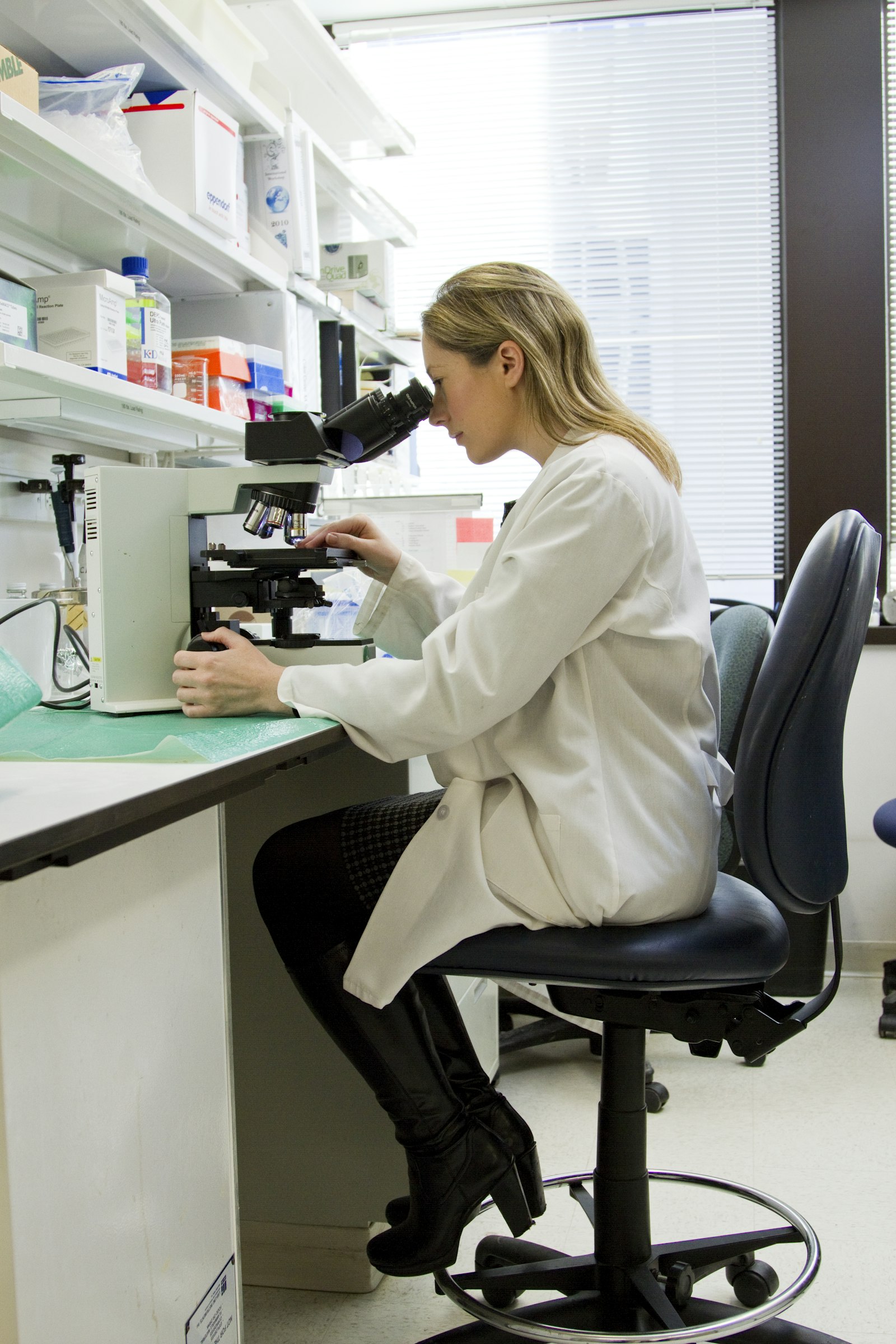
After vaccination is complete and the required waiting period has passed, the veterinarian will draw approximately 1-2 ml of whole blood, and the serum will be sent to an OIE/WOAH-approved rabies reference laboratory for neutralizing antibody testing (commonly using FAVN or RFFIT methods). The passing standard is a serum antibody titer ≥ 0.5 IU/mL.
In Taiwan, samples are currently sent mainly through agencies authorized by the Bureau of Animal and Plant Health Inspection and Quarantine (BAPHIQ) or through private channels to overseas-approved laboratories. Before sending samples, confirm with your veterinary hospital which laboratories they partner with that year, whether they currently accept cases from Taiwan, and the expected report turnaround time.
The blood draw date is the starting point for the 180-day countdown, and this date must be recorded on all documents. We recommend recording the blood draw date on all documents and taking photos for your records.
Step 4: Waiting for Results + 180-Day Countdown
Laboratory turnaround times vary depending on the laboratory and submission process, typically ranging from several weeks to one or two months. After receiving the report:
- Antibody ≥ 0.5 IU/mL: Passed. Count 180 days from the blood draw date; your pet can only enter the destination country after this period has elapsed.
- Antibody < 0.5 IU/mL: Failed. Common reasons will be summarized later. In this case, do not redraw blood from the same sample — wait for the antibody levels to naturally rise in the body, or revaccinate before resending a new sample.
The 180-day rule means "entry date - blood draw date ≥ 180 days," not that you can automatically enter the country once 180 days have passed since the blood draw. Calculate the blood draw date by counting backward from the intended entry date.
Step 5: Apply for Export Quarantine Certificate Before Departure
Once the 180-day period has elapsed and the entry date is confirmed, apply for the Export Quarantine Certificate from the Bureau of Animal and Plant Health Inspection and Quarantine (BAPHIQ) under the Council of Agriculture before departure. This document typically has a very short validity period (commonly applied for within 14 days before departure), and missing the validity window means you must reapply.
The documents typically required include:
- Rabies Vaccination Certificate
- Antibody Test Passing Report
- Microchip Registration Certificate
- Application form (according to the current version announced by BAPHIQ)
Carry the originals with you on the day of departure, as both the airline and destination customs may require them to be presented.
Fees and Testing Information Summary
| Item | Fee Range | Notes |
|---|---|---|
| Microchip Implantation | Starting from a few hundred NTD | Veterinary hospitals in each county/city |
| Rabies Vaccination + Certificate | A few hundred NTD | Must be administered at an authorized hospital |
| Antibody Test (FAVN/RFFIT) | A few thousand NTD | Based on laboratory announcements; mainly overseas laboratories |
| Export Quarantine Certificate | According to BAPHIQ announcement | Paid at time of application |
The amounts above represent common ranges. Actual fees vary based on the current year's announcements, the laboratory, and whether you use an agent. Be sure to request a quotation from your veterinary hospital before sending samples.
Common Failure Reasons and Remedies
Failure Reason 1: Insufficient Interval Between Vaccination and Blood Draw
The body needs time to produce antibodies after vaccination, and antibody levels will be too low if blood is drawn too early. Be sure to confirm the "waiting period after vaccination" required by your destination country.
Failure Reason 2: Poor Immune Response
Some individuals may still have low antibody titers even when vaccinated on schedule. Common reasons include individual immune system differences, improper vaccine storage, and incorrect timing of administration. The remedy is to administer a booster dose, redraw blood after 30 days for testing, and restart the 180-day countdown.
Failure Reason 3: Inconsistent Microchip Number Across Documents
If the microchip number on any document differs from the others, the entire set of reports will be rejected. Record the number on the day the microchip is implanted, and verify it three times before filling out subsequent documents.
Failure Reason 4: Incorrect Procedure Sequence
The most common mistakes are drawing blood before implanting the microchip, or using a general vaccination certificate in place of a formal rabies vaccination certificate. Once the sequence is wrong, the entire report becomes invalid, and the 180-day countdown must restart from the day the error is corrected.
Pet Editor Reminders / FAQ
Q1: When does the 180-day countdown start?
It starts from the blood draw date, not the vaccination date or the report issuance date. Entry date - blood draw date must be ≥ 180 days.
Q2: What should I do if the antibody test fails?
Don't rush to redraw blood. Administer another vaccine dose, wait at least 30 days, then redraw blood and resend the sample. The 180-day countdown restarts from the new blood draw date. The entire process must be run again — this is why it's so important to allow 8 months from the start.
Q3: Which countries require this test?
Most countries with strict entry requirements for dogs and cats — including the EU, UK, Japan, South Korea, and Singapore — require antibody testing. Some countries in Southeast Asia and certain Pacific island nations may not require it. Check the latest announcements from your destination country before departure.
Q4: How long is the report valid?
The validity of a passing antibody test report depends on destination country regulations, commonly 1-2 years. However, entry must occur at least 180 days after the blood draw date — these are two different considerations.
Q5: Can antibody testing be done abroad?
Yes, but the destination country must accept reports from overseas laboratories, and the laboratory must be an OIE/WOAH-approved reference laboratory. To avoid document rejection, we recommend completing the blood draw and obtaining a passing report in the country of departure.
Q6: Is it necessary to use an agent?
Using an agent is not required, but the documentation is extensive and the timeline is strict. We've seen too many pet owners attempt the process themselves only to have documents rejected due to missing information or incorrect serial numbers, causing them to start over multiple times. If your budget allows, working with a veterinary hospital or agent that has actual experience sending samples will provide much greater peace of mind.

Latest Notices for 2026
- The overall framework of the procedure continues, but BAPHIQ's annual announcements regarding partner laboratories, document formats, and application windows may be adjusted each year.
- Some countries' specific requirements regarding the "two-dose vaccination" schedule may change. Refer to the destination country's official announcements.
- Airlines' regulations on pet cargo transport may also change. Be sure to verify current requirements before booking flights.
The rabies antibody testing SOP involves regulations from multiple countries and laboratory standards. This article provides general principles only. Before submitting samples, please confirm the latest current regulations with your veterinarian, the Council of Agriculture's Bureau of Animal and Plant Health Inspection and Quarantine (BAPHIQ), and the diplomatic missions of your destination country in Taiwan.