毛孩牙科保險理賠 — 4 家比較 2026
The last time I took our seven-year-old mixed-breed dog to the vet, the doctor said she needed a full dental cleaning pl
Pet Dental Insurance Claims — Comparing 4 Providers for 2026
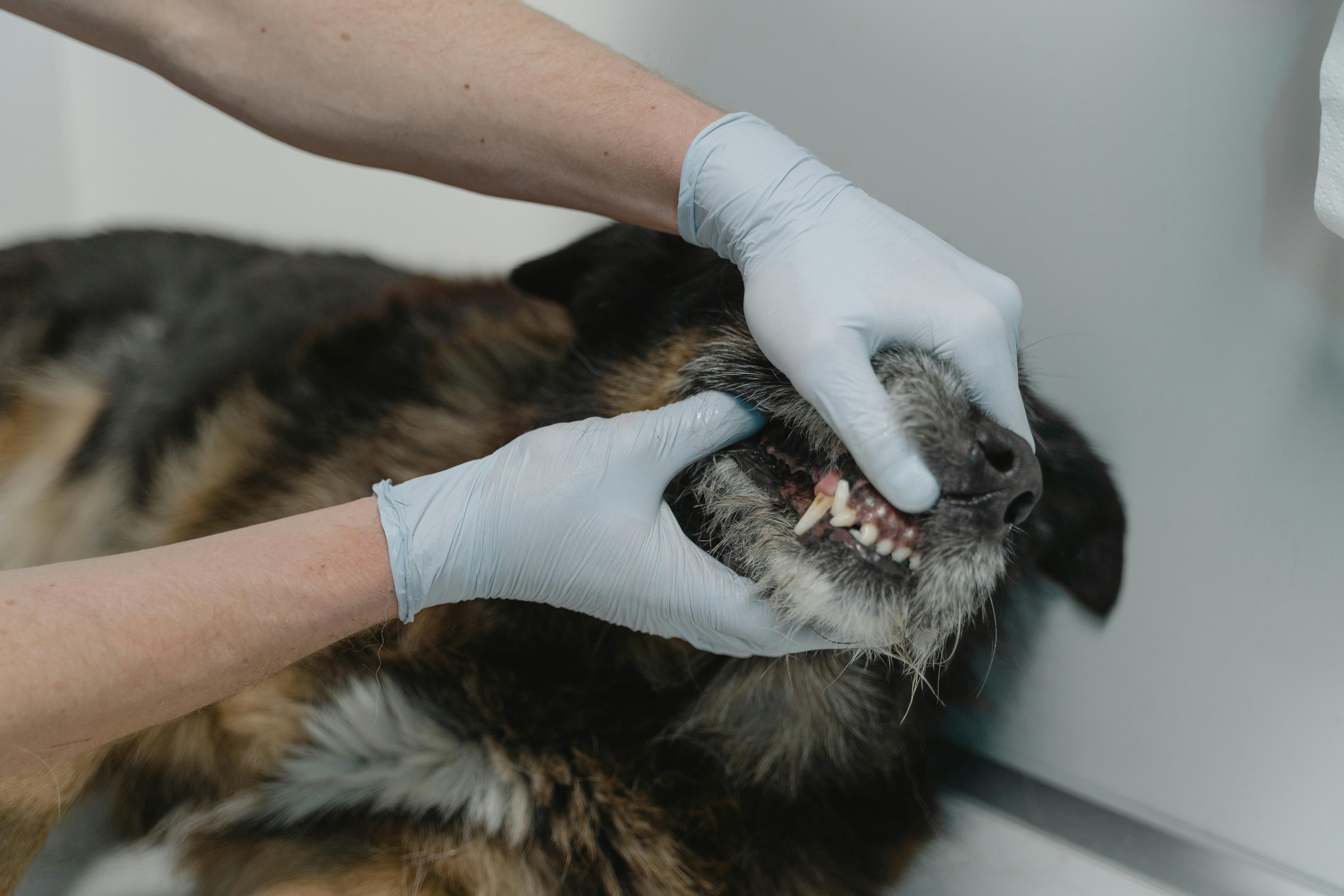
The last time I took our seven-year-old mixed-breed dog to the vet, the doctor said she needed a full dental cleaning plus two loose teeth extracted. When the bill came out of the printer, my heart sank as quickly as my dog's tooth roots — turns out dental work for pets is far more expensive than you'd expect.
Unlike humans, pets can't tell us when they're in pain. By the time owners notice bad breath or swollen gums, the oral condition usually requires active intervention. That's why vets keep emphasizing that "prevention is better than cure" — and behind both prevention and treatment lie very real medical costs.

Why Buy Pet Insurance?
Pet healthcare in Taiwan is a self-pay market. Unlike human health insurance with its National Health Insurance point values and catastrophic illness subsidies, every procedure, every pill, and every bit of anesthesia for our pets is paid out of pocket.
Taking dental care as an example, here's a rough range for common procedures (actual costs vary by clinic and pet size):
- General consultation: starting from a few hundred dollars
- Anesthetized dental cleaning (including pre-op bloodwork, anesthesia monitoring, and post-op care): typically starting from the low thousands
- Tooth extraction (per tooth): from a few hundred to a few thousand dollars, depending on tooth position and difficulty
- Root canal therapy or periodontal surgery: easily reaching tens of thousands
- Oral tumors or extensive oral surgery: costs go even higher
More importantly, dental issues in pets are rarely a one-time event — they tend to require ongoing follow-up and repeat expenses. Add it all up over the years, and dental care costs become a very significant figure.
Key Considerations and Common Pitfalls
Not every pet insurance policy covers "dental." Here are the easiest traps to fall into:
Coverage Scope and Exclusions
Many policies only cover treatment caused by "illness." Routine preventive procedures like dental cleaning may be classified as "wellness care" and excluded. Check the policy carefully for clear wording on:
- Treatment of general dental diseases (e.g., periodontitis, gingival abscess)
- Extractions, root canal therapy, oral surgery
- Tooth fractures caused by accidents
- Whether routine dental cleaning is covered (usually requires a rider or has a cap)
Also pay attention to exclusions — for example, some plans exclude congenital dental abnormalities or anesthesia-related complications for certain breeds.
Waiting Period
Pet health insurance commonly has waiting periods, typically ranging from 15 to 30 days, with some plans imposing longer waits for specific conditions. Before signing up, confirm:
- The waiting period for general illnesses
- Whether dental conditions have additional requirements
- Whether the waiting period resets upon renewal
Annual Cap and Deductible
These are the two most easily overlooked items before signing up:
- Annual claim limit: The maximum you can claim per year — anything above this comes out of your own pocket
- Per-claim deductible: The percentage or fixed amount you must pay before each claim is covered
- Lifetime cap: A few plans set a maximum total payout over the pet's lifetime
Also note that some plans place dental coverage under a "limited rider" rather than including it directly in the main policy. Always ask your agent to walk you through the terms line by line — don't just go by the pretty words on the brochure.

Hands-On Comparison of 4 Insurance Plans
This time, I've focused on four established property insurance companies in Taiwan and summarized their typical approaches to pet dental coverage. The following reflects each plan's "common configuration" — actual policy terms should be verified against the policy document in effect at the time of enrollment.
Comparison Summary
| Comparison Item | Cathay Century | Fubon Insurance | 旺旺友聯 (Taiwan Fire & Marine) | Shin Kong Insurance |
|---|---|---|---|---|
| Dental Coverage Scope | Main policy covers dental disease treatment | Main policy covers dental; cleaning usually capped | Dental commonly offered as a rider | Main policy covers common dental procedures |
| Premium Tiers Based On | Weight, age, plan | Weight, age, plan | Weight, age, plan | Weight, age, plan |
| Deductible Options | Plans with and without deductible available | Plans with and without deductible available | Primarily fixed deductible | Plans with and without deductible available |
| Waiting Period | Approximately 15-30 days depending on plan | Approximately 15-30 days depending on plan | Approximately 15-30 days depending on plan | Approximately 15-30 days depending on plan |
| Annual Claim Limit | Tiered by coverage amount | Tiered by coverage amount | Tiered by coverage amount | Tiered by coverage amount |
| Claim Processing Time | About 7-14 business days | About 7-14 business days | About 10-14 business days | About 7-14 business days |
| Customer Service & Channels | Multiple online options | Both physical and online channels | Primarily through agents | Online and agent channels in parallel |
Cathay Century Insurance
Highlights: One of the earlier entrants to Taiwan's pet insurance market, with clearly tiered plans and a mature online enrollment process. The main policy offers relatively comprehensive coverage for dental disease treatment, making it a popular first-time pet insurance choice for many owners.
Note: Whether routine dental cleaning is covered depends on the plan tier and policy wording. Before enrolling, I recommend confirming whether the plan includes coverage for "preventive cleaning."
Fubon Insurance
Highlights: Offers multiple channels — agents, online, and customer service phone lines all support enrollment. Dental coverage is mostly listed under the main policy's claim scope, though cleaning is typically handled with a "capped payout."
Note: Plans may be updated or revised in different years, so always request the latest policy terms and a summary of conditions.
旺旺友聯產險 (Taiwan Fire & Marine)
Highlights: Has been in the pet insurance market for many years, with plans primarily promoted through agents. Dental coverage is sometimes added via a rider, allowing owners to flexibly mix and match based on their pet's needs.
Note: Since dental is often a rider, double-check with your agent that the rider has been selected — you don't want to discover at claim time that you weren't actually covered.
Shin Kong Insurance
Highlights: The main policy covers common dental procedures, and the online enrollment interface has been updated frequently in recent years, offering a smoother user experience.
Note: A pet's weight and age affect premium tiers. Use the online calculator to estimate costs before deciding on a plan.

Editor's Tips / FAQ
Q1: What should owners of brachycephalic breeds (e.g., French Bulldogs, Pugs, Cavalier King Charles Spaniels) watch out for?
Due to their skull structure, brachycephalic breeds are inherently higher-risk for both dental issues and anesthesia complications. Before enrolling, pay special attention to two things:
- Anesthesia risk: Most policies classify anesthesia-related complications under exclusions or require separate agreement. Before any surgery, make sure the vet performs a complete pre-op evaluation and keeps all examination records and consent forms — these will help with any future claims.
- Higher likelihood of periodontal issues: Brachycephalic breeds have a higher rate of dental crowding than typical breeds. Consider adding dental coverage when your dog is still young, so you don't find out it's excluded when you later need a root canal or multiple extractions.
Q2: What documents are needed to file a claim?
Claim submissions typically require the following (with slight variations by company):
- A diagnosis certificate issued by the veterinarian
- Original itemized medical bills and receipts
- A copy of the pet's microchip or identification document
- A claim form (most companies offer downloadable versions online)
- A copy of the enrollment application (agents usually help prepare this)
Some companies accept non-original receipts or online photo uploads, but I still recommend keeping the originals in case of disputes.
Q3: Are there age limits?
Yes. Most insurers set upper and lower age limits for pet insurance enrollment:
- Minimum enrollment age: Usually from 8 weeks or 3 months old.
- Maximum enrollment age: Typically between 8 and 11 years. Exceeding the age cap may result in declined applications or only renewals being accepted.
- Renewal age: Some companies allow renewal for life, but premium tiers will adjust with age.
If you have a senior pet at home, I recommend enrolling as soon as possible — by the time dental problems appear, it's often too late to buy coverage.

Policy terms may be updated annually, so actual claim coverage should be based on each provider's latest announcement. Before enrolling, always confirm dental coverage scope, waiting period, deductible, and annual limits with an agent or customer service representative, and print out a summary of the terms for your records. Here's hoping every pet enjoys healthy teeth — and I hope this guide helps you find the coverage that suits you best.