Taking pets on the high-speed rail without a ticket? Field test at 4 stations across Taiwan, 2026
 Taiwan'

Why Take This Route?
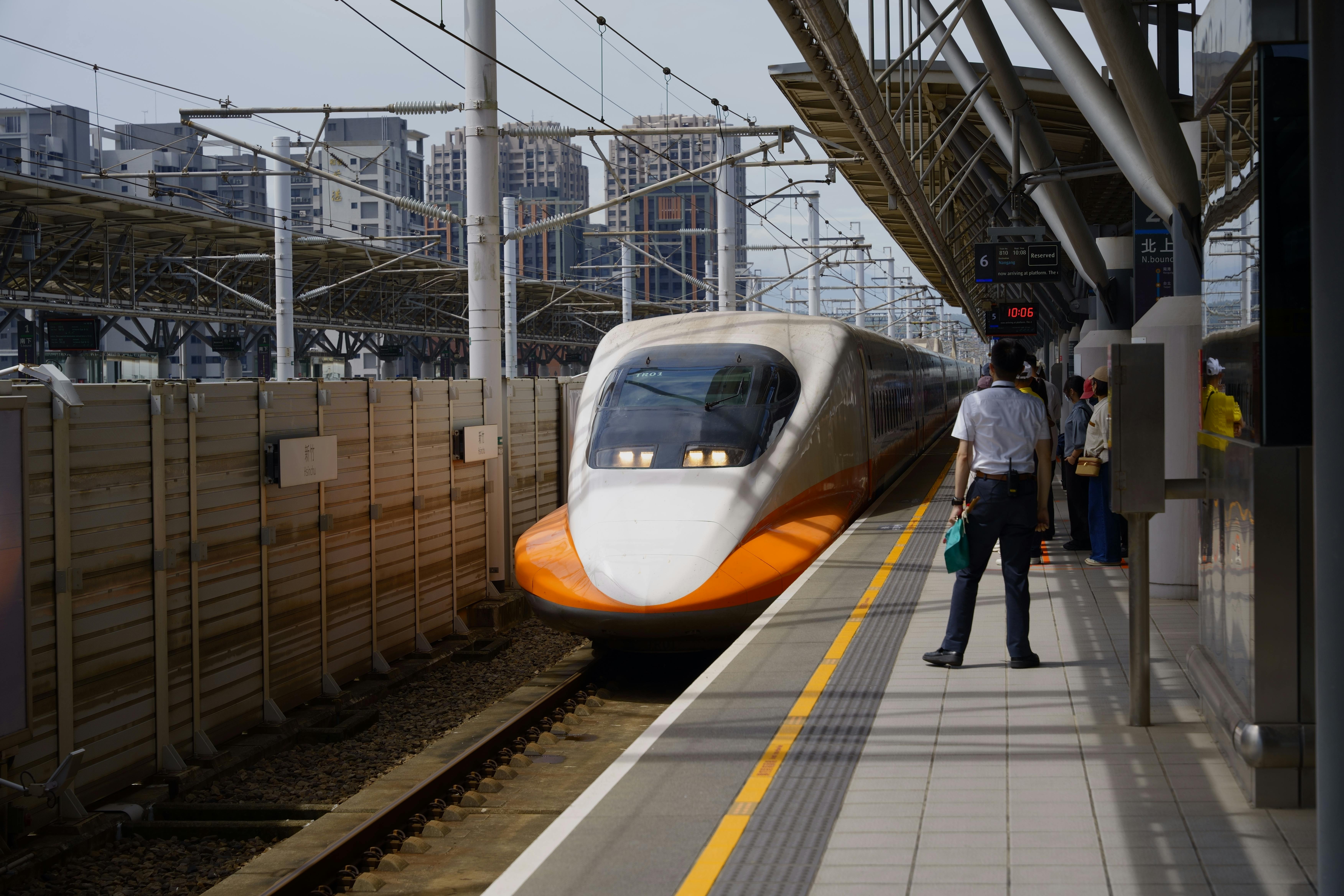
Taiwan's THSR (Taiwan High Speed Rail) is currently one of the more pet-friendly options for long-distance domestic travel — for small to medium-sized pets. As long as your pet stays in a fully enclosed, portable carrier that does not occupy a seat throughout the journey, no additional pet ticket is required. The pet isn't counted as a seat-occupying passenger — only the owner's ticket is charged.
This differs from the rules for TRA (Taiwan Railways) and highway buses. TRA currently only allows medium and large dogs and cats to be checked into luggage cars, while small pets require separate procedures. Most highway bus routes prohibit pets entirely. The HSR's flexibility makes it a go-to solution for many owners on medium- to long-distance trips — especially when traveling north to south, or from the western corridor to the starting points for Hualien and Taitung. Tno need to arrange cargo check-in in advance; just buy your own ticket and board.
But "no ticket required" doesn't mean there are no conditions. Carrier specifications, allowable pet types, station layouts, and potential pitfalls at every step can all affect whether you make it out the door smoothly.
Trip Planning Recommendations
General Guidelines for Pets on the HSR
These guidelines apply to cats, dogs, and small pets such as rabbits, ferrets, and birds. Basic requirements include:
- The carrier must be fully enclosed, ventilated, leak-proof, and portable, and must fit entirely within the owner's lap or the gap between seats
- It must not occupy adjacent seats or aisle space — this is the key to the "no extra ticket" policy
- Do not open the carrier or allow pets to roam the train aisle
- In most cases, one carrier per passenger is the standard
For specific carrier size limits, the number of carriers allowed per trip, surcharges for additional carriers, and restrictions on aggressive breeds, our Pet Editor strongly recommends checking the official website or contacting the customer service center before departure. Regulations may be adjusted quarterly or annually.
4 Key Stations: Where Pet Owners Most Often Run Into Trouble
The same pet regulations apply across all 12 THSR stations. However, 4 stations are where pet families most often get stuck, lose their way, or encounter unexpected problems — their physical layouts, passenger density, and transfer connections directly affect the experience of traveling with a carrier.
1. Taipei Station
Address: No. 3, Beiping W. Rd., Zhongzheng Dist., Taipei City
The northern hub. The most complex passenger flow, the highest density of escalators, and the longest connecting routes with the Taipei Metro and TRA. Moving through with a pet carrier during peak hours is like hauling a small piece of luggage through a crowd.
- For entry, use the Guangqian Rd. (館前路) side — it offers wider walkways than the North 1 and North 2 main entrances
- Elevators are concentrated on the east side of the station and the B1 platform connections — memorize their locations if you're short on time
- There are no pet restrooms inside the station — take care of business before entering
Taipei Station's challenge isn't the regulations — it's precisely navigating through crowds while carrying your pet. For anxious pets, Taipei Station is the biggest stressor of the day.
2. Banqiao Station
Address: No. 7, Sec. 2, Xianmin Blvd., Banqiao Dist., New Taipei City
The secondary northern hub. Passenger flow is more dispersed, and the layout is significantly more pet-family-friendly than Taipei Station.
- Spacious interior with clearly marked accessibility routes
- Co-located with the Taipei Metro Bannan Line, TRA, and highway buses — multiple transfer options
- The station is large, so walking distances inside are on the longer side — allow an extra 20 minutes for anxious pets
Banqiao Station often serves as a gathering or dispersal point for pet owners because parking, transfers, and car rentals are all convenient.
3. Taichung Station
Address: No. 1, Station Area 2nd Rd., Wuri Dist., Taichung City
The most important transit hub in central Taiwan, and the most common starting or ending point for pet families heading to the East Rift Valley and Hualien–Taitung coastal routes.
- Modern facility with wide, open platforms and concourse layouts
- A major transfer node from the western corridor to eastern Taiwan — pet owners often transfer to the EMU 3000 or Puyuma express here
- Several large parks surround the station area, making it relatively easy to give pets a break after disembarking
Your level of preparation at Taichung Station directly affects whether your onward journey into Hualien–Taitung goes smoothly.
4. Zuoying Station
Address: No. 1, Station East Rd., Zuoying Dist., Kaohsiung City
The gateway to southern Taiwan, with heavy passenger traffic in both directions. The facility is modern, and the layout is relatively friendly to strollers, luggage, and pet carriers.
- Co-located with Kaohsiung Metro Zuoying Station and highway bus terminals
- Lotus Pond (蓮池潭) and Zuoying Old City are right outside, offering short walks for pet breaks
- For northbound trips, avoid Sunday evening peak hours — crowd density slows down carrier maneuvering
What these 4 stations have in common isn't that they're "especially pet-friendly" — it's that they have high passenger volumes, numerous transfer connections, and wide-reaching impact when things go wrong. Check accessibility elevators, platform numbers, and exit routes in advance, and traveling with a pet on the HSR is actually easier than you might expect.

Trip Preparation for Pets on the HSR
At the Booking Stage
- No need to select "traveling with a pet" when booking — just book your own ticket
- If you're worried about being questioned at the counter, you can call the customer service center in advance to register
- Avoid Friday evening, Sunday evening, and consecutive holiday peak services
On the Day of Departure
- Arrive at the station 30 minutes early to give your pet a final bathroom break and water
- Place an absorbent pad inside the carrier in case of nervousness
- Bring a spare leash, wet wipes, plastic bags, and treats for emergencies
On Board
- Try to sit in non-aisle seats near the train doors (typically around Cars 4 and 12)
- Do not open the carrier or let your pet into the aisle
- If your pet barks mid-journey, move the carrier to the last-row aisle seat to keep distance from other passengers
After Arrival
- Stow the carrier 10 minutes before arrival
- Do not unclip the leash on the platform
- After exiting, head to a nearby park or quiet alley to let your pet relieve itself and move around for 5–10 minutes
Practical Information Summary
| Item | Details |
|---|---|
| Pet ticket required | No extra purchase if the carrier doesn't occupy a seat |
| Carrier requirements | Fully enclosed, ventilated, leak-proof, portable; specific size limits per official announcement |
| Pets allowed | Cats, dogs, small pets (rabbits, ferrets, birds, etc., subject to small-pet regulations) |
| Medium/large dogs | Depends on carrier size; confirm with customer service in advance |
| Ticket types | Non-reserved and reserved seats both allowed; business car subject to on-site staff judgment |
| Fees | Charged based on the owner's ticket only; no additional fee for the pet |
| Note | Regulations may be updated; the official THSR announcement is the final authority |
Pet Editor's Reminders / FAQ
Q1: Will my cat meow nonstop on the train?
Train car soundproofing is limited, and cats tend to vocalize in unfamiliar environments. The Pet Editor recommends placing a worn piece of clothing with your scent inside the carrier and using a pheromone spray (such as Feliway) 30 minutes before departure. Most owners report it helps — though it's not a 100% guarantee.
Some owners also choose to let their pet get used to the carrier in advance, even practicing with a few short trips to minimize anxiety.
Q2: Will other passengers complain?
In practice, this isn't very common. Most neighboring passengers are understanding as long as the pet stays in the carrier the entire time, doesn't bark, and doesn't wander. If someone does complain, apologize first and move the carrier toward the door-side or last-row seat — don't escalate on the spot. Ask the train conductor for help if needed.
Q3: Can I bring my pet into business class?
The Pet Editor doesn't have a 100% definitive answer. Business class has different spatial design and tolerance from neighboring passengers. Call the customer service center directly before booking to confirm current regulations — don't assume.
Q4: Is there absolutely no way to bring a medium or large dog?
Under current rules, carriers exceeding size limits are problematic. However, the Pet Editor has seen many medium-sized dogs successfully board — the key is that the carrier must fit entirely on your lap without occupying any extra space. For mixed-breed medium dogs, confirm with HSR customer service before departure.
Q5: What if my pet gets sick or has an accident on the train?
HSR trains carry basic first-aid kits, but no veterinarian. After disembarking, immediately look up nearby 24-hour animal hospitals. There are emergency clinics around stations in northern, central, and southern Taiwan — save a shortlist to your phone before departure.
Q6: Can I bring two pets on the same train?
Under current regulations, one carrier per passenger is the standard. To bring two pets, you'll need a second carrier, and both must meet the "does not occupy a seat" requirement. The Pet Editor hasn't seen any cases of refusal in practice, but to be safe, inform the booking agent when you reserve — it's much more troublesome if you're stopped on the day of travel.
Q7: Can I make an emergency stop if something happens?
The distance between HSR stations varies. If your pet shows obvious distress on board, ask the conductor to contact the next station's staff. Exit at the next station immediately for medical care — don't tough it out until your original destination.
Pet Editor's Reminder: HSR pet regulations may be adjusted. Before departure, be sure to check the official website or call the customer service center for the latest rules (carrier size limits, allowable pet types, per-trip carrier limits, etc.). Station layouts may also change temporarily due to construction or events, so allow an extra 30-minute buffer on the day.
