Singapore Pet-Friendly Guide — Parks + Pet Supermarkets + Cafes 2026
Traveling abroad with pets—it's not the flight that's the hardest part, but realizing after landing that "this country i

Traveling abroad with pets—it's not the flight that's the hardest part, but realizing after landing that "this country isn't actually that pet-friendly." Singapore is one of the few cities in Southeast Asia that's relatively welcoming to pets, with well-planned outdoor spaces and a high density of chain pet stores. To help you travel smoothly, we've put together this guide.

Why is Singapore a good choice for traveling with pets?
Singapore is small with a high proportion of green space—over 350 parks across the island—making it one of the few Asian cities where "pet-friendly" is built into public space planning. The distance between urban and suburban areas is often just a 20–30 minute drive, so the time cost of getting around with pets is low, making it relatively approachable for first-time pet-owning travelers.
From your pet's perspective, most outdoor spaces here feature gentle trails, large grassy areas, and shaded walkways—ideal for small to medium-sized dogs to walk for extended periods. Temperatures on the island typically range from 26–32°C, which can be tough on larger breeds (like Huskies or Golden Retrievers). We recommend avoiding the midday hours.
That said, Singapore is also a highly regulated city. Most indoor venues (department stores, restaurants, museums) don't accept pets by default. Your itinerary with pets should revolve around "outdoor spaces + pet-friendly shops," so plan with this in mind.
Itinerary Planning Tips
Key preparations before departure
Singapore is a rabies-free region, so bringing pets from Taiwan requires advance permit applications.
Main process:
- Apply for an import permit from Singapore's Animal & Veterinary Service (SFA) at least 30 days before entry
- Prepare a rabies vaccination certificate (administered at least 90 days before entry)
- Implant a microchip (ISO 11784 / 11785 compliant)
- Provide a health certificate issued by a veterinarian within 7 days of departure
- Certain breeds are on a restricted list (including Pit Bulls, Fila Brasileiro, etc.)—be sure to confirm before departure
Regulations are updated frequently, so we recommend starting the process 2–3 months ahead and referring directly to the official SFA website for the latest announcements.
Transportation options after arrival
Singapore's Grab (similar to Uber) is the most convenient way to get around with pets. When booking, select the "with pet" option, and the driver will confirm the vehicle type and fee. Standard cars usually require you to bring your own pet carrier or have your pet sit in the back seat, and some drivers may charge an additional cleaning fee—the amount depends on the driver's posted policy.
The MRT (subway) requires pets to be in a carrier with a total length not exceeding 85 cm, except for guide dogs and service dogs. In practice, we don't recommend bringing pets on the train during rush hour, as it's more likely to draw negative reactions from other passengers.
For traditional taxis, drivers may not always welcome pets, so using a ride-hailing app is generally a safer bet.
4-day, 3-night sample itinerary
Day 1: Arrival and Marina Bay adjustment
After arrival, take your pet for a short walk around the hotel to help them adjust to the time difference and temperature. In the evening, head to the open walkways around Marina Bay—the area is cool at night with plenty of lighting, making it a great starting point for pets to acclimate.

Day 2: East and West Coast Parks tour
In the morning, choose between East Coast Park or West Coast Park—both feature large grassy areas, sea breezes, and dedicated pet-friendly zones. Pets must be kept on a leash at all times on the beach, and you should clean up after them.
In the afternoon, head back to the city and find a café with outdoor seating to rest. Singapore has a thriving café culture, and pet-friendly spots are commonly found in Tiong Bahru, Telok Ayer, and East Coast. Most allow pets in outdoor seating areas.
Day 3: Bishan-Ang Mo Kio Park and nature trails
Bishan-Ang Mo Kio Park has a dedicated pet zone, which is the most popular gathering spot in the local pet community—on weekends, you can often see 20–30 dogs running together. Before entering the pet zone, confirm that your pet has completed all vaccinations, as the park may ask to see proof.

Day 4: Pet supplies restock and departure
Before heading home, set aside half a day to restock at pet-friendly malls or chain stores. Singapore offers a wide variety of pet products, from fresh food and treats to prescription diets, though prices are generally slightly higher than in Taiwan.
Must-visit park types
| Type | Best for | Features |
|---|---|---|
| Coastal (East Coast / West Coast / Changi Beach) | Letting pets run on the beach and enjoy sea breezes | Open, shaded, convenient parking |
| Riverside (Bishan Park / Punggol Waterway) | Gentle trails, suitable for senior dogs | Loop trails of about 3–5 km |
| Forest (HortPark / Dairy Farm) | Avoiding crowds, adventure feel | More rugged trails, watch for fleas and ticks |
| Urban pocket parks (Telok Ayer Green / Ann Siang Hill) | Quick breaks between activities | Small in size, but close to cafés |
Practical Information
Cost reference
Singapore is a relatively expensive city, so budget a bit more for traveling with pets.
Main expenses (for reference only; actual costs depend on the venue):
- Pet-friendly hotels: usually cost more per night than standard rooms—check booking sites for pricing ranges
- Grab rides with pets: base fare + cleaning fee, with the cleaning fee set by the driver
- Pet-friendly restaurant minimums: varies by venue; outdoor seating may not have a service charge
- Veterinary fees: local animal hospitals charge higher rates, so bring common medications from home
Opening hours
Most outdoor spaces in Singapore are open 24 hours, but some dedicated pet zones have time restrictions, and lighting may not be sufficient at night. We recommend scheduling main outdoor activities between 7–10 AM or 5–8 PM to avoid the midday heat.
Pet-related regulations
- Leash required: mandatory in most parks and trails—violators can be fined
- Cleanup responsibility: carrying water and waste bags is basic etiquette
- Size restrictions: some pet zones separate areas for large and small dogs—check the signs before entering
- Vaccination proof: popular gathering spots (like the Bishan Park pet zone) may require verification
- Breed restrictions: Pit Bulls, Staffordshire Bull Terriers, and several other breeds are regulated or banned
Pet supermarkets and supplies
Singapore has a high density of chain pet stores, with major brands including Pets at Home, Pet Lovers Centre, and others. Most locations welcome pets inside, so you can browse while letting your pet pick out treats. Check each brand's official website for store locations.

Fresh food options are more diverse than in Taiwan, with chilled meat imported from Australia, New Zealand, and Japan more readily available at specialty stores. We recommend bringing prescription food and special supplements from Taiwan, as the same brands may not be immediately available locally.
Pet-friendly cafés
Singapore has a well-developed café culture, with pet-friendly spots commonly found in the following areas:
- Tiong Bahru: old neighborhood vibe with plenty of outdoor seating
- East Coast / Katong: pairs well with waterfront walks
- Dempsey Hill: low-density commercial area with lots of greenery
- Telok Ayer / Duxton Hill: office districts that get busy after work
When choosing a venue, we recommend searching "pet friendly cafe Singapore" on Google Maps first, then checking the latest reviews to confirm current pet policies, as these change frequently. Addresses can be described as "Address: [Café name] + [Area] (e.g., Tiong Bahru)," but if you're unsure, letting Google Maps navigate you is the most reliable option.
Emergency backup plan
Before departure, look up the locations of 24-hour animal hospitals. Singapore's well-known late-night emergency animal hospitals are mostly located in the Bukit Timah and Mount Vernon areas—actual addresses and operating status should be verified on each hospital's official website. We recommend saving hospital phone numbers to your phone's offline list and preparing an English summary of your pet's medical history (allergies, chronic conditions, medications).
Editor's Notes
Q1: Is Singapore actually pet-friendly?
Overall, outdoor spaces are very welcoming, but indoor spaces depend on the venue. Singaporeans are generally accepting of "pets in public spaces," but remain more reserved about "pets in indoor restaurants"—most venues' pet-friendly policy refers to outdoor seating areas.
Q2: Can pets ride the MRT?
Yes, but they must be in a compliant carrier at all times, with a total length not exceeding 85 cm. Bringing a carrier onto the train during rush hours is inconvenient for other passengers, so we recommend traveling during off-peak hours or using Grab instead.
Q3: What's the most comfortable season to visit?
Singapore is summer year-round. The coolest period is from November to February, with less rainfall and lower temperatures—making it a relatively good time to travel with pets. From June to September, watch out for afternoon thunderstorms, as trails can become muddy.
Q4: Can my pet interact with local dogs?
The Bishan Park pet zone gathers a large number of local pet owners on weekends, offering plenty of socialization opportunities. However, observe the atmosphere before introducing your pet to unfamiliar dogs—Singapore has a higher proportion of small dogs, and size differences can easily lead to conflicts.
Q5: Can I feed my pet fresh food directly?
Local restaurants generally don't offer pet fresh food, so bringing your own snacks is safer. Human seasonings (onions, garlic, chocolate) are toxic to pets, so avoid these ingredients when ordering.
Q6: What should I be aware of when returning home?
Quarantine requirements for re-entry into Taiwan follow the Council of Agriculture's official announcements. A friendly reminder: before returning, double-check Taiwan's quarantine requirements for dogs and cats entering from Singapore (including rabies titer testing, post-arrival isolation, etc.), as the process may require preparation more than 6 months in advance.
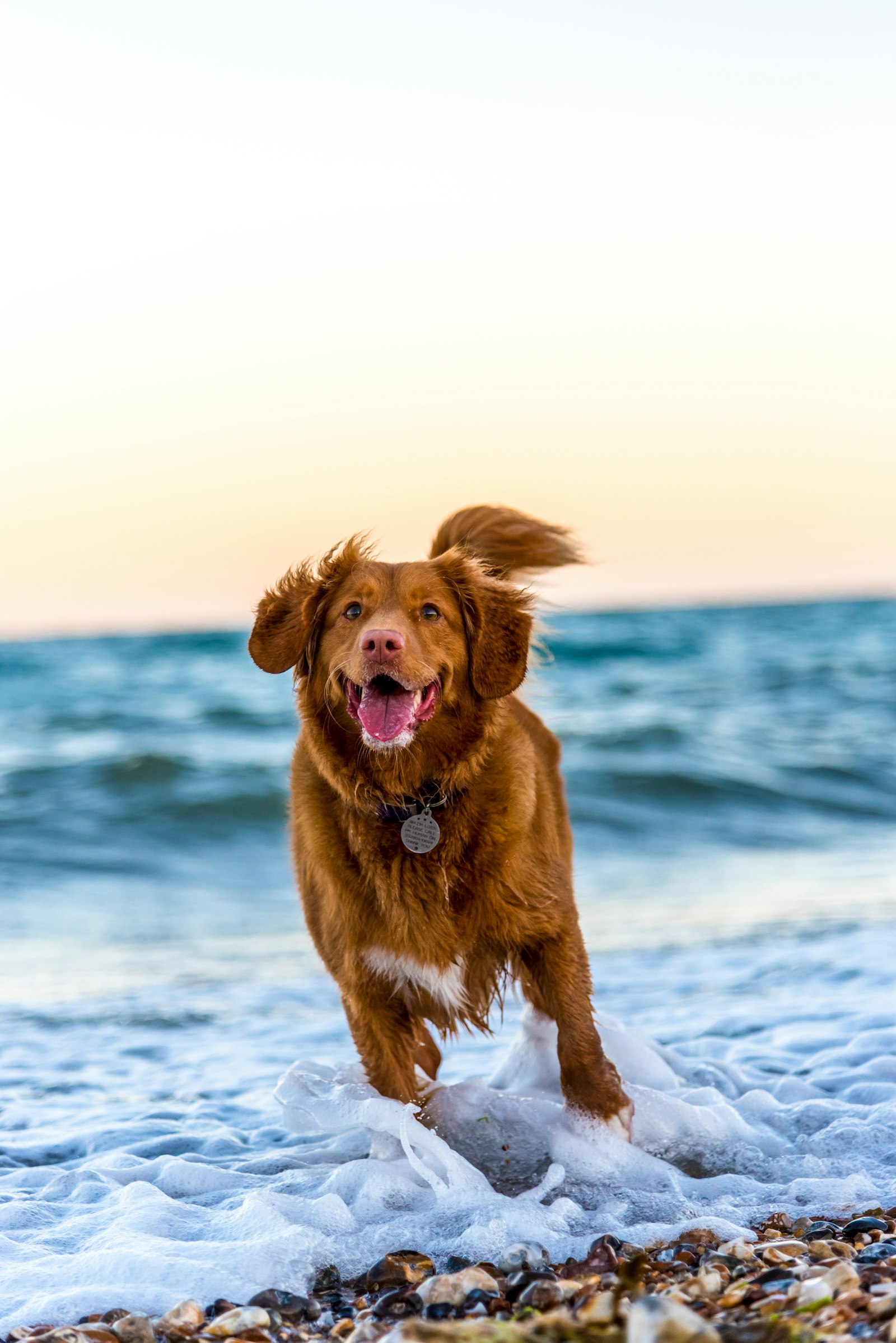
Singapore may be small, but its public space design for pets is at the forefront in Asia. While putting this guide together, we felt it's the kind of city that "once visited, you'll want to return." As a final reminder, information such as entry requirements, venue policies, and taxi cleaning fees changes frequently, so be sure to verify the latest official announcements one month before departure to keep your plans on track.
Restaurant pet policies may change, so we recommend checking the latest Google reviews or calling ahead before departure. The address links will take you directly to Google Maps, where you can check same-day opening hours.