How to Explore Seoul with Your Furry Friend — Parks + Cafes + Accommodation 2
Last time I flew to Seoul with my furry companion, I stayed up until 3 AM just searching "can they even go on the plane"
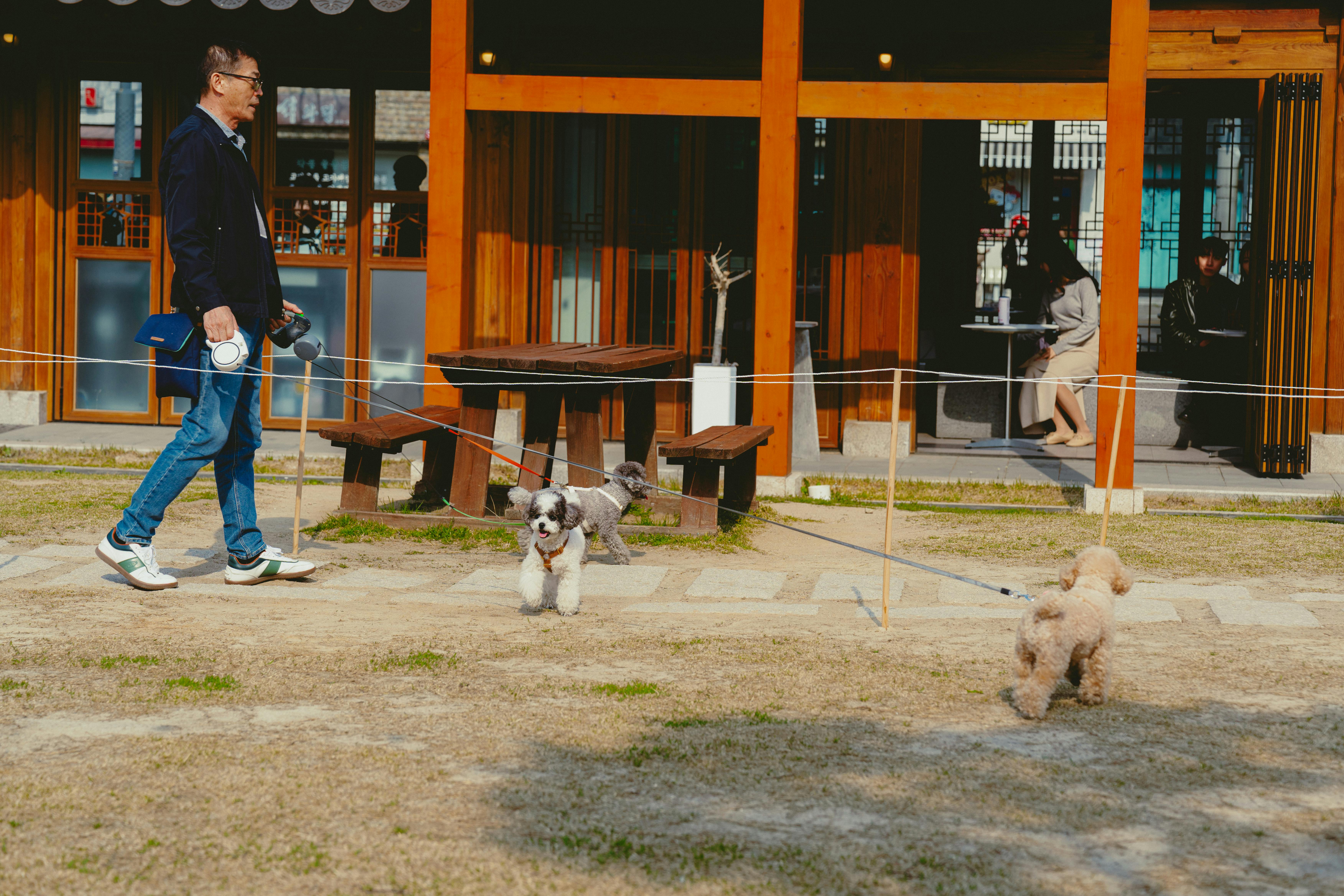
Traveling to Seoul with Your Pet in 2026: A Complete Guide to Entry, Parks, Cafes, and Stays
Last time I flew to Seoul with my furry companion, I stayed up until 3 AM just searching "can they even go on the plane"—and on the way back, I was asked to step off for a re-weighing and sign new paperwork. This guide covers everything you need to know about bringing your pet to Seoul in 2026, from entry requirements to parks, cafes, and accommodation tips—all in one place.

Why Seoul?
Seoul is one of the most pet-friendly cities in Asia. From the Han River banks to the alleys of Yeonnam-dong and Mangwon-dong, the entire city is essentially a runway for our four-legged friends.
In terms of local culture, South Korea has a high pet ownership rate, so you'll see pets in restaurants, cafes, and parks constantly. The city boasts extensive public green spaces—nearly every district has one—and a mature industry for pet grooming, pet cafes, and pet-friendly restaurants. Pet-friendliness in Korea operates at a "whole-city level," not just supported by scattered businesses. That's a notable difference from Taiwan.
Beyond the high level of pet-friendliness, Korea's "pet lifestyle aesthetics" are worth seeing in person. Walking through Yeonnam-dong and Hannam-dong, you'll discover that pets aren't just brought outside—they're integrated into an entire lifestyle design. From strollers and carriers to outing bags, there are dedicated brands and shops for everything.
Itinerary Planning Tips
Pre-Entry Preparation
South Korea's Ministry of Agriculture has strict requirements for pet entry—all of the following are mandatory:
- Microchip implantation (ISO 11784/11785 standard)
- Two or more rabies vaccinations, with the first dose administered at least 30 days before entry
- Official health certificate issued by a certified veterinarian within 5 days before entry
- Entry declaration and quarantine documents (incomplete paperwork can result in 7–21 days of mandatory quarantine in severe cases)
Start preparing at least 6 months before departure to allow buffer time. Taiwan's rabies antibody testing procedures differ from Korea's format—the safest approach is to confirm the destination country is Korea first, then have your vet issue documents according to the Korean version.
Getting Around the City
- Subway: Small to medium dogs are allowed in bags (bag length + dog length + leg length must total no more than 90 cm). Large dogs require alternative transportation.
- Taxis: Some apps offer "pet-friendly taxi" services, where you can request larger vehicle types.
- Rental cars: The most large-dog-friendly option—your pet can ride directly in the back seat.
Suggested Itinerary
Day 1: Hangang Park and Yeouido
Start at Hangang Citizens' Park, where time on the grass with your pet will be the most relaxing part of your trip. We recommend choosing a section with "swan boats" and self-service bicycles so you can enjoy yourself too. There are large supermarkets nearby for stocking up on pet food and pee pads.
Day 2: Yeonnam-dong and Hongdae
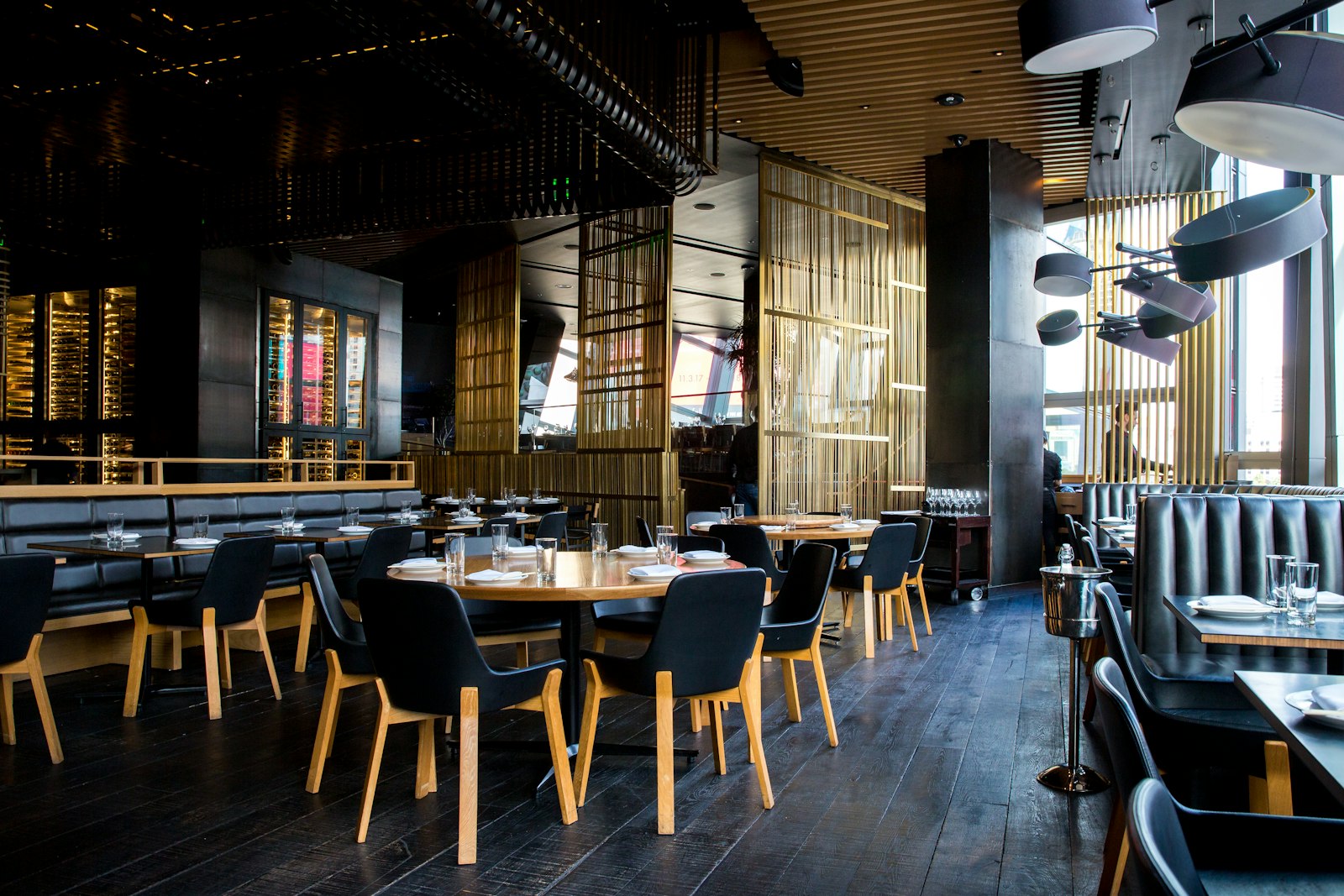
Yeonnam-dong (연남동) is one of the areas with the highest "pet density" in Seoul—nearly every cafe on the street welcomes pets. Hongdae has plenty of park green space nearby, making it a great afternoon walking spot.
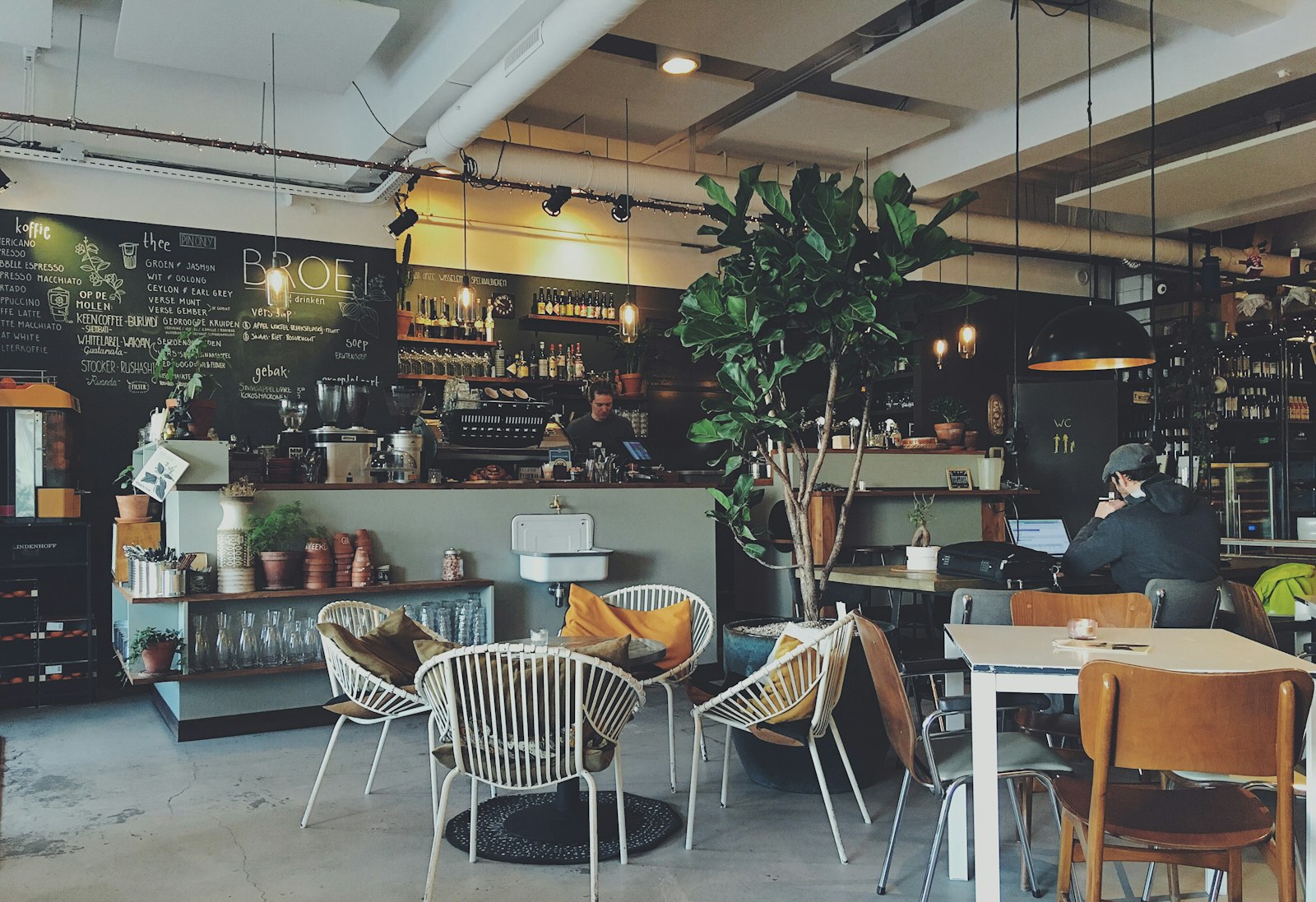
One note: Seoul's "pet cafes" come in two types. One type welcomes guests to bring their own pets (pet-friendly), while the other has resident cats or dogs for guests to interact with (pet-cafe). The latter usually doesn't accept outside pets. Check the type before choosing a spot.
Day 3: Seoul Forest or Olympic Park
Both are Seoul's iconic large green spaces:
- Seoul Forest (서울숲): Free admission, but pets are prohibited in the main park area. The outer walking paths are accessible.
- Olympic Park: A more open area where pets are allowed in most outdoor sections.
Personally, I prefer Olympic Park—the sense of space is closer to "taking your pet to a national park."
Day 4: Hannam-dong and Samcheong-dong
Lots of hills and narrow alleys, but the density of art-gallery-style cafes is high. Some shops even prepare water bowls and small treats for pets at the entrance. Take a slower walking pace—this area is better suited for senior dogs or pets that can't walk long distances.
Practical Information
Pet-Friendly Accommodation
Truly large-dog-friendly hotels in central Seoul are rare. Most hotels have the following policies:
- Weight limits (commonly 7–10 kg)
- Additional cleaning fees (varies by hotel)
- Advance approval required
Always contact the hotel directly before booking to confirm. Guesthouses near Yeonnam-dong and Hongdae, as well as "pet-friendly apartment-style residences (레지던스)," tend to be more accommodating for large dogs—but acceptance depends on individual properties. We recommend confirming your pet's weight and breed before choosing accommodation, rather than booking first and discovering pets aren't allowed.
Costs
- Airline pet surcharges: Priced by airline and cabin class. Refer to official website announcements.
- Hotel cleaning fees: Added per hotel policy.
- Cafe entry fees: Usually the same as for regular customers; extra charges are rare.
Opening Hours
- Public parks: Mostly open 24 hours
- Cafes and restaurants: Per each establishment's announcement. Check in person or refer to the latest info on Google Maps.
- Large green spaces (Seoul Forest, Olympic Park): Per park announcements. Some areas close at night.
Editor's Notes / FAQ
Q1: Does my pet need to be quarantined when entering Korea?
If you have complete quarantine documentation, quarantine is usually not required. Missing documents can result in 7–21 days of mandatory quarantine in severe cases, with costs borne by the owner. I recommend keeping both physical and digital copies stored separately.
Q2: Can I bring a large dog on the subway?
No. Subway regulations require "total length after bagging" to be under 90 cm. Large dogs need to use taxis, rental cars, or stick to attractions within walking distance.
Q3: Is Korea's pet-friendliness "genuine"?
Mostly yes. But some restaurants and shops still reserve the right to refuse entry. Before bringing your pet into any venue, observe other pets at the entrance and ask, "강아지 괜찮아요?" (Is it okay to bring a dog?) to be safe.
Q4: What if my pet gets sick in Korea?
Seoul has 24-hour animal hospitals, with the highest density in Hongdae, Gangnam, and Sinchon areas. Before departure, look up the English addresses of nearby hospitals and save them in your phone's map.

Q5: Which area of Seoul is most pet-friendly?
I recommend Yeonnam-dong (연남동), Mangwon-dong (망원동), and Hannam-dong (한남동). These three neighborhoods are essentially "pet communities"—the chances of running into another pet within 5 minutes of walking are very high.
Q6: What season is most comfortable to visit?
Spring and autumn, with temperatures of 15–25°C, are the most pet-friendly. In summer, ground temperatures along the Han River at midday can be high, so watch out for paw pad burns. In winter, the northern mountain areas get snow, while the city is dry and cold—watch out for skin and respiratory issues.
Q7: Should I bring a pet stroller?
Seoul's subway system is stroller-friendly, but it gets very crowded during rush hour. When bringing your pet to cafes, having a stroller gives your pet "their own spot" and is more welcomed by shop owners than putting them on the floor.
One final reminder: Korea's entry regulations, hotel pet policies, and cafe availability may all change throughout 2026. Before booking flights, booking accommodation, and departing, please verify the latest announcements directly—don't show up with outdated information. Re-check all your documents 30 days before departure for maximum peace of mind.