Okinawa: Water Fun with Pets — Beach & Resort Recommendations 2026
Last summer, Editor Mao took the family's black Shiba Inu on a trip to Okinawa. Before departure, after browsing through
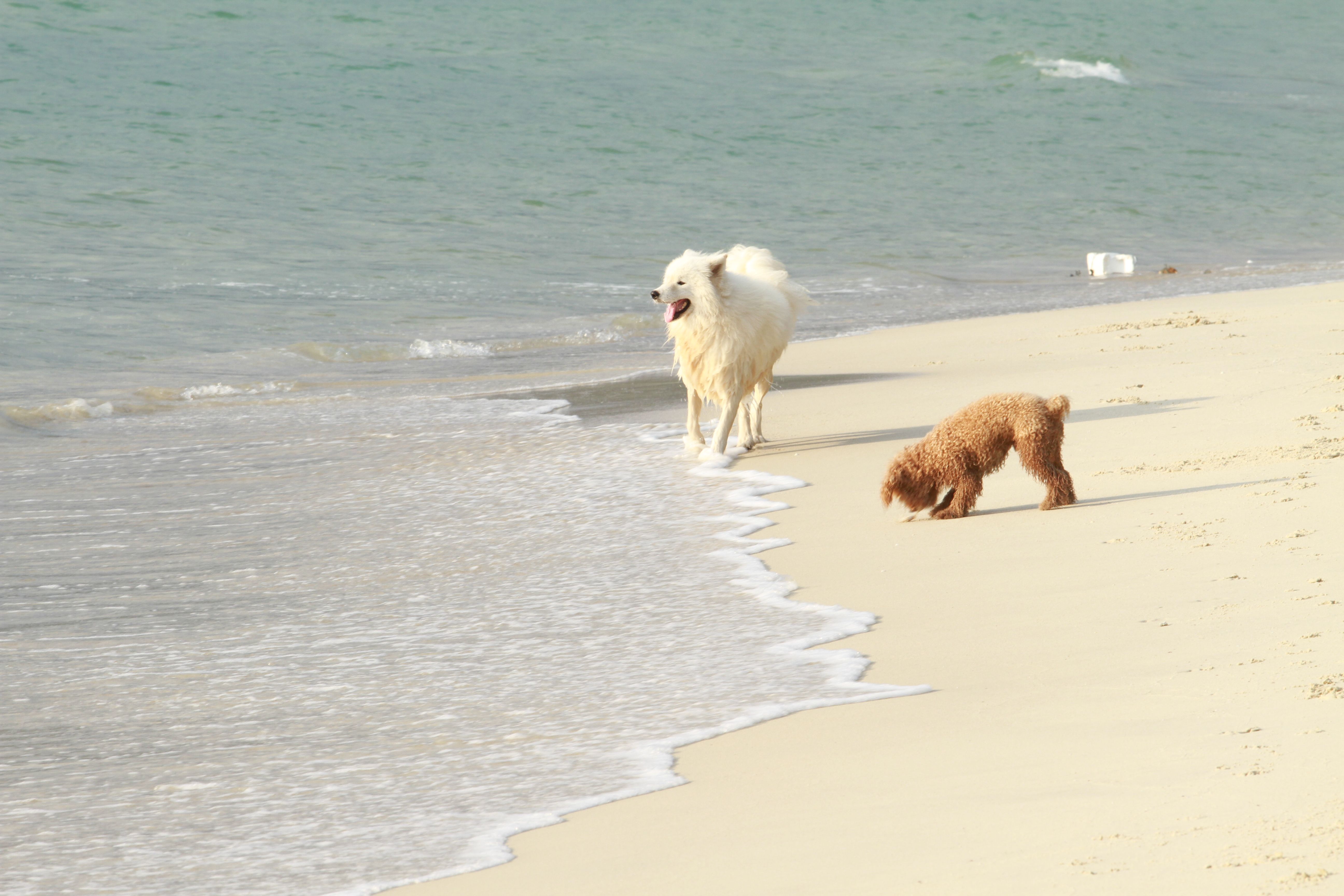
Last summer, Editor Mao took the family's black Shiba Inu on a trip to Okinawa. Before departure, after browsing through a pile of Japanese websites, I discovered that the question of "whether dogs are allowed on Okinawa's beaches" genuinely has no single answer. Some beaches welcome furry friends, some hotels explicitly forbid them, and others follow an unwritten "no rules, no enforcement" policy. This guide consolidates currently known pet-friendly coastal areas, entry quarantine requirements, and accommodation options in one place. But Editor Mao has to be honest—the actual regulations for 2026 must be re-verified on your own before departure.
Why Take Your Pet to Okinawa?
When bringing a pet abroad, the first hurdle is flight time. From Taipei or Kaohsiung to Naha, flight time is roughly 1.5 to 2.5 hours. The time your pet spends in a carrier is relatively short, making it far less physically demanding than flying to Tokyo or Osaka. This is one of the key reasons Taiwanese pet owners prioritize Okinawa.
The second reason is the ocean. The density of beaches around Okinawa's main island is extremely high—driving north from Naha city, you'll find a coastal spot nearly every ten-plus kilometers. In terms of water temperature, you can swim from April through October, giving a much longer beach season than Taiwan's west coast. For pet owners who want their dogs to wade in the sea and dig in the sand year-round, Okinawa is the most achievable option within Taiwan's direct flight range.
The local culture toward animals is also friendlier than you'd expect. Okinawa moves at a slower pace, the locals are relatively laid-back, and shop owners generally won't turn away a leashed dog. However, Editor Mao needs to flag a common misconception: while Japan's overall attitude toward pets has progressed, beach and hotel regulations tend to be stricter than those of restaurants. Whether your pet can go into the water is something local operators decide based on their own judgment—there is no nationwide standard.
Language-wise, many shop staff in Naha's Kokusai-dori and Chatan's American Village can speak simple English or Chinese, so the communication barrier is low. But once you head to quieter areas like the northern Motobu Peninsula or Kouri Island, support for languages other than Japanese becomes limited. It's advisable to print out essential information (hotel address, quarantine documents) and keep them handy.
Trip Planning Suggestions
Transportation: Renting a Car Is Almost the Only Option
When traveling Okinawa with a pet, driving yourself is the only practical choice. Naha city has a monorail, but it doesn't allow large dogs, and the beaches reachable by train are very limited. As for taxis, drivers have the right to refuse passengers with pets, and even booking ahead doesn't guarantee they'll send a car.
Several major rental car companies operate on Okinawa's main island, with counters right at Naha Airport. When renting a car with a pet, keep a few things in mind:
- Some companies require pets to be in a carrier before getting into the vehicle
- If your pet leaves hair or odor in the car, you may be charged an extra cleaning fee upon return
- Large dog carriers take up significant space—confirm with the trunk size in advance
- Baby car seats and pet carriers sometimes cannot both fit
It's recommended to note "medium-sized dog / large dog" when booking, so the rental company can confirm the vehicle type ahead of time and you won't face a last-minute vehicle swap or refusal.
Must-Visit Destinations
Naha City On arrival day, it's advisable to stay overnight in the city to let your pet adjust. The pedestrian streets around Kokusai-dori are great for an evening leashed walk when crowds thin out. Shintoshin Park and Onoyama Park are green spaces within the city where your pet can stretch their legs.
Chatan Town – American Village A 30-40 minute drive north of Naha, this is the most pet-friendly shopping area in Okinawa. American Village itself is a large-scale mix of shopping and walkways, with outdoor paths that are very welcoming to leashed dogs. Several small beaches nearby have fine sand and moderate crowds.
Onna Village, Cape Maeda The most classic stretch of central coastline, with plenty of hotels and small beaches along the way. Cape Maeda itself is a diving spot; the surrounding reef areas allow pets to wade in shallow water, but the official beach area's pet regulations need to be checked on-site via posted signs.
Motobu Peninsula, Kouri Island The northern region has the highest density of beaches in Okinawa. Kouri Ohashi Bridge spans the sea, and the water beneath it is exceptionally clear. Going north through Motobu Peninsula, crowds thin out significantly compared to the central area, making it ideal for pet owners seeking secluded beaches. However, the further north you go, the fewer restaurants and convenience stores there are—supplies need to be prepared in advance.
Southern Outer Islands: Tokashiki, Zamami Reachable by ferry from Naha Port in about 30-70 minutes. Ferries generally allow pets, but they must be in carriers, and accommodation options are limited. Suitable for pet owners who want to completely leave the main island, but planning is more complex than on the main island.
Basic 5-Day, 4-Night Itinerary
Day 1: Arrival and City Adjustment
Arrive at Naha Airport, pick up your rental car, check into the hotel, and take a light evening walk in the city. Avoid long-distance travel on this day to let your pet recover from carrier fatigue.
Day 2: Chatan American Village Day Trip
Head north to Chatan in the morning, browse American Village, and enjoy the sea during the day. Return to the hotel in the evening. This relaxed itinerary is ideal for first-time pet owners traveling abroad.
Day 3: Central Coast (Onna Village Direction)
Drive north all day, stopping at beaches along the way. Bring your pet's life jacket and drinking water, and limit water play to 1-2 hours to prevent excessive fatigue.
Day 4: Northern Motobu Peninsula or Kouri Island
The farthest day of the trip—you might consider staying one night up north. This is also the most enjoyable day for water play.
Day 5: Naha City + Return
Shop for souvenirs in the Shintoshin area or Kokusai-dori in the morning, then return the rental car and catch your flight in the afternoon.
Pet Considerations
- Hydration: Summer temperatures in Okinawa exceed 30°C outdoors; keep water available in both the car and on the beach
- Shade: Beaches offer no cover; bring an umbrella or tent to prevent heatstroke
- Reef Areas: The north has many rocky coasts where paws can get cut—prepare dog booties
- Sea Urchins and Jellyfish: Jellyfish occasionally appear from July to September; don't enter the water when warning flags are posted
- Currents: Currents are strong near Kouri Ohashi Bridge and Cape Zanpa; never let inexperienced pets off-leash in these areas
- Etiquette: Japanese people are sensitive to pet etiquette; poop bags, leashes, and avoiding others' picnic areas are the basics
Practical Information
Entry Quarantine Procedure for Japan
This is the most critical part of the entire trip. Pets entering Japan must pass through the Japanese Ministry of Agriculture, Forestry and Fisheries quarantine procedure, which centers on three requirements:
- Rabies Antibody Test (FAVN or RFFIT Report)
- Must be done at a designated laboratory via blood test
- Report is valid per regulations
-
From testing in Taiwan to receiving the report typically takes 2-3 months
-
Two Rabies Vaccination Records
- The two injections must be at least 30 days apart
-
Entry into Japan is allowed only 30 days after the second injection
-
Microchip Implantation
- Must comply with ISO 11784 / 11785 specifications
- Without a microchip, quarantine clearance is impossible
Editor Mao's reminder: if the timing of these three is wrong, your entire trip will be scrapped and you'll have to start over. It's recommended to begin planning 8 months before departure—don't start checking documents only after spotting a cheap flight.
Three Ways to Bring Pets to Japan
Option 1: Carry-On (In-Cabin) - Suitable for: Cats, small dogs (typically under 7-8 kg including carrier) - Advantage: Pet stays with you the entire time - Disadvantage: Strict size limits; carrier must fit under the seat in front of you
Option 2: Checked Baggage (Cargo Hold) - Suitable for: Medium to large dogs - Advantage: More lenient weight limits - Disadvantage: You cannot personally attend to the pet; some airlines suspend pet transport in winter/summer
Option 3: Cargo Shipping - Suitable for: Large dogs, special breeds - Advantage: Greater schedule flexibility - Disadvantage: Most expensive option; pet must be shipped separately
Which specific airline and method is most pet-friendly must be re-checked before each departure, as airline policies change every year. Editor Mao's advice: don't just rely on official websites—write or call customer service directly to ask about "this flight, this date, this dog's weight," and keep written documentation of the response.
Beach and Accommodation Costs
- Most public beaches in Okinawa are free
- Hotel-affiliated beaches are typically restricted to guests; day passes or single-day tickets depend on hotel policy
- Beachfront hotel rates during the April-September peak season often exceed NT$10,000 per night on weekdays
- Pet cleaning fees vary by hotel
Editor Mao can't pin down exact prices, as they vary significantly by hotel and season. It's recommended to use booking sites to check current rates directly, and note your pet's type and weight in the remarks field so the hotel can confirm acceptance in advance.
Pet Supply Checklist
Items you should bring from home rather than relying on local purchase:
- Pet life jacket (essential for water play)
- Water bowl and portable water bottle
- Shade tent or large umbrella
- Dog anti-slip booties (for reef areas)
- Poop bags (Japanese bags tend to be thinner; bring your own for better quality)
- Pet wet wipes
- Freshwater rinse bucket (for the car)
- Backup carrier (used for rental cars and hotel transfers)
- Pet passport (including vaccination records and microchip certificate)
- Familiar toys or bedding to reduce stress

Editor Mao's Reminders / FAQ
Q1: Do I need to apply in advance to bring my pet to Okinawa's beaches?
Most public beaches don't require application, but pay close attention to signs at beach entrances. Common signs include "ペット同伴可" (pets allowed), "ペット禁止" (pets prohibited), and "リード着用" (leash required). Editor Mao recommends searching your destination on Google Maps before departure, checking photo street views for posted signs, or consulting local tourism websites for current announcements.
Q2: Do hotels accept large dogs?
This is a very practical question. Most pet-accepting hotels in Okinawa only take small to medium dogs (around 10 kg or under), so options for large dogs are quite limited and typically concentrated in "whole-villa" rental properties or private vacation homes—which are hard to book during peak season. If you have a large dog (30 kg or more), start booking 4-6 months before departure and confirm via email the weight limits, cleaning fees, and whether pets can enter public areas.
Q3: Do I need to clean up after my pet on the beach?
This is basic etiquette in Okinawa, with no exceptions. Even on secluded beaches, local Japanese residents are extremely sensitive to leaving dog waste behind. Poop bags, leashes, and avoiding others' picnic areas are the three unwritten iron rules.
Q4: Will the summer typhoon season affect my trip?
Yes. July through September is typhoon season in Okinawa. When weather forecasts indicate potential impact, beachside hotels will proactively notify guests about rescheduling or refund policies, but flights may not be rebookable on the same day. Start monitoring weather a month before departure, and if a typhoon warning is issued, be prepared to rebook accommodations. Travel inconvenience insurance is a must, and "pet-related expenses" should be included in your evaluation (such as carriers, quarantine documents, rapid tests, etc.).
Q5: Does my pet need a spay/neuter certificate?
Japanese entry quarantine does not require a spay/neuter certificate, but some hotels and pet-friendly restaurants will ask when you make a reservation. Editor Mao recommends carrying the spay/neuter certificate, microchip certificate, and vaccination booklet on your person at all times, so you can produce them whenever asked.
Q6: What should I watch out for when playing in the water at the beach?
The two most common accidents are "pets drinking too much seawater" and "sudden current changes." Drinking too much seawater causes vomiting or diarrhea—bring fresh water and offer a drink every 15 minutes. Regarding currents, Cape Zanpa and the area beneath Kouri Ohashi Bridge have the strongest offshore currents besides Cape Maeda—never let inexperienced pets off-leash.
Q7: Are there veterinary clinics locally in Japan?
There are animal hospitals in Naha city, Chatan Town, and Onna Village, but language support is limited. If your pet has chronic conditions or special medications, research the nearest hospital's address before departure and prepare an English-language medical summary. In emergencies, hotel front desks typically assist with making contact.
Q8: Are the outer islands (Tokashiki, Zamami) suitable for traveling with pets?
They're suitable, but planning is more difficult. Ferries allow pets (in carriers), but rental car options on the islands are limited, restaurant options are limited, and pet-friendly accommodations are even more limited. For first-time pet owners traveling abroad, Editor Mao recommends starting with the main island, and venturing to the outer islands only after becoming familiar with Japanese beach culture.

Final Word: Last Checks Before Your 2026 Departure
This guide is intended for pet owners who are genuinely ready to make the trip. But Editor Mao also wants to be honest: for 2026's specific regulations, you must re-confirm everything yourself 1-2 months before departure. Japanese entry quarantine requirements, Taiwan's Council of Agriculture regulations, individual airline policies, and local beach announcements can all change in the months leading up to your trip.
The recommended preparation timeline is:
- 8-10 months before: Confirm the rabies antibody test schedule and microchip implantation
- 5-6 months before: Complete both vaccinations; book flights and hotels
- 2-3 months before: Obtain quarantine documents; prepare your pet's passport
- 1 month before: Re-check destination beach announcements and typhoon conditions
- 1 week before: Re-confirm details with the hotel and rental car company
Traveling abroad with a pet is never easy, but with complete documentation, a flexible itinerary, and proper etiquette, Okinawa is absolutely the most accessible island destination for Taiwanese pet owners. That afternoon of wading in the sea under the northern sea breeze, squinting against the sunlight—that's a memory Editor Mao still treasures.
Okinawa's various beaches and hotels may adjust their pet policies. Before departure, it's recommended to check the most recent Google reviews, or contact local hotels and rental car companies directly to confirm the latest regulations. Entry quarantine procedures should follow the latest announcements from Japan's Ministry of Agriculture, Forestry and Fisheries and Taiwan's Council of Agriculture.