EVA Air vs China Airlines Pet Transport Fees/Regulations Real-World Test 2026
Last year, I helped a friend ship a medium-sized mixed-breed dog from Taipei to Kaohsiung, and I ended up comparing the

Last year, I helped a friend ship a medium-sized mixed-breed dog from Taipei to Kaohsiung, and I ended up comparing the pet transportation policies of two airlines through three rounds of back-and-forth — calls being transferred around, inconsistent answers from customer service, and the official website announcements not matching actual quotes. This comparison is meant to save you the time spent confirming everything.

What to Know Before Flying with Your Pet
Flying with a pet isn't as simple as "buying a ticket and adding a dog." Air transport offers two modes: cargo and cabin. Taiwan's two major airlines almost exclusively offer the "cargo" route — your pet goes through the freight shipment process, not baggage check-in.
Required Documents
- Animal Health Certificate: Issued by a veterinarian within 7 days of departure, including breed, age, weight, and health status
- Rabies Vaccination Certificate: Must be within the validity period (typically 30 days to 1 year after injection)
- Microchip Certificate: Microchip implantation is a basic requirement
- Shipping Consent Form: The airline's standard form, signed by the owner
If even one of these documents is missing, your pet will be refused. Editor Mao recommends booking a vet appointment at least 14 days before departure to avoid mishaps like an "expired certificate."
Carrier Requirements
Both airlines require carriers that comply with IATA standards:
- The carrier must be made of sturdy material (rigid plastic or metal), able to support your pet's weight
- Your pet must be able to stand, turn around, and lie down
- Ventilation openings must meet standard specifications
- Door latches must be escape-proof (metal screws or strap locks)
- The bottom of the carrier must be lined with absorbent padding
Soft-sided pet carriers are almost never accepted. At airport check-in, ground staff will inspect each item against carrier specifications.

Age and Health Restrictions
- Pets are generally required to be at least 4 months old and have completed vaccinations
- Pregnant or recently whelped female dogs are not accepted under any circumstances
- Certain breeds are restricted or refused due to health risks (brachycephalic dogs, Boxers, etc.) — these will be discussed in detail in a later section
EVA Air vs. China Airlines: Pet Transport Fees/Regulations Tested
This comparison breaks down four dimensions: fee structure, cabin restrictions, temperature restrictions, and booking process. A disclaimer first: airline pet shipping fees vary based on route, cabin class, pet size, and declared weight. The table below only reflects structural differences — for specific amounts, always rely on the latest quotes from the airline's official website or customer service.
| Item | EVA Air | China Airlines |
|---|---|---|
| Shipping Mode | Cargo Hold (Manifest Cargo) | Cargo Hold (Manifest Cargo) |
| Billing Method | Chargeable weight = greater of pet's weight or carrier's volumetric weight | Chargeable weight = greater of pet's weight or carrier's volumetric weight |
| Fee Range | Varies by route and weight; no fixed price published on the website | Varies by route and weight; no fixed price published on the website |
| In-Cabin Travel | Cats and dogs not accepted (special cases only) | Cats and dogs not accepted (special cases only) |
| Brachycephalic Dogs/Cats | Fully prohibited in summer (typically May–October) | Fully prohibited in summer (typically May–October) |
| High-Temperature Routes | Some destinations fully prohibit pets all day in summer | Some destinations fully prohibit pets all day in summer |
| Booking Window | Contact cargo department more than 48 hours before departure | Contact cargo department more than 48–72 hours before departure |
| Check-in Time | Arrive 3–4 hours before departure | Arrive 3–4 hours before departure |
| Accompanying Passenger Rule | Owner must be on the same flight | Owner must be on the same flight |
Differences in the Booking Process
EVA Air follows a "general cargo" process, meaning the owner contacts the cargo department rather than the customer service center. After a successful reservation, you'll receive an AWB (Air Waybill) number, which you'll use to check in on the day of travel.
China Airlines has a similar process, but the customer service routing differs slightly. Some routes require booking through a travel agency or cargo agent, so travelers arranging their own tickets need to proactively contact customer service.
Neither airline offers online pet shipping booking — you must call or fill out a form. This is where many owners get stuck the first time they handle the process.
The Blind Spot of Temperature Restrictions
Both airlines have internal standards for destination temperatures. Common rules include:
- If the forecast high at the destination or origin exceeds the internal threshold, that flight is fully prohibited from carrying pets for the day
- Additional restrictions apply to brachycephalic dogs and cats; they are fully prohibited in summer (typically May–October)
- Cold-climate destinations have low-temperature restrictions; some breeds require added warming equipment
Specific temperature thresholds change every year and for every route, so Editor Mao can't give you exact numbers — all I can tell you is to proactively ask customer service: "Will the forecasted high at the destination next week affect this flight?"
What to Do During the Summer Brachycephalic Ban
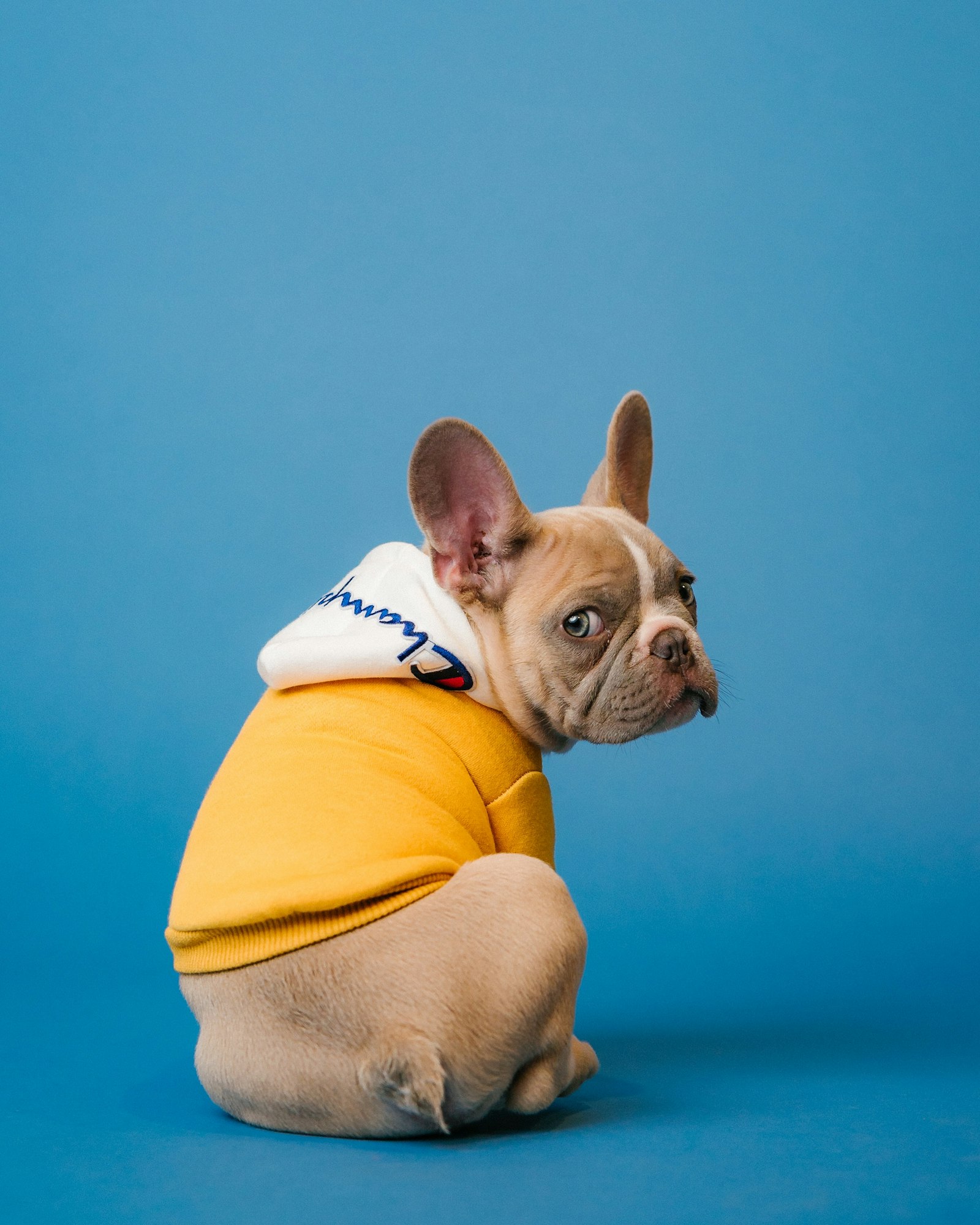
Every May through October, brachycephalic breeds such as Bulldogs, Pugs, Pekingese, Shih Tzus, Boxers, and Persian cats are almost entirely prohibited from transport on EVA Air and China Airlines, Taiwan's two flag carriers. These breeds face higher risk of heatstroke and death in high-temperature cargo holds due to their respiratory structure, and the airlines' restrictions are based on safety considerations.
Alternative Option 1: Fly with a Different Airline
Some foreign carriers impose less strict restrictions on brachycephalic dogs than Taiwanese airlines, but the prerequisite is finding routes that "accept pet cargo shipments" — and these are still subject to the quarantine regulations of the destination country. Common alternatives include:
- Asiana Airlines
- Singapore Airlines
- Cathay Pacific
Each airline has wildly different specific regulations for brachycephalic dogs. Check the English version of that airline's official website directly, as Taiwanese travel agencies don't always have accurate information.
Alternative Option 2: Dedicated Cargo Shipping
If you don't need to take a passenger flight, you can go through a specialized pet transport company:
- Pet travel agencies that aggregate quotes from multiple airlines
- Some companies offer dedicated escort services
- Sea freight (suitable for international routes, though it takes longer)
Alternative Option 3: Seasonal Scheduling
The most practical solution — schedule your move or long-distance travel between November and April of the following year. Avoiding the summer restriction period allows both Taiwanese airlines to accept your pet normally, and the risk to your pet is lowest as well.
Editor Mao's Reminders
Q1: What do I need to prepare?
A health certificate (within 7 days of departure), a rabies vaccination certificate (within validity period), a microchip certificate, an IATA-compliant carrier, escape-proof straps or latches, absorbent padding, and a shipping consent form. It's recommended to book a vet appointment at least 14 days before departure to avoid certificate expiration.
Q2: What if my pet exceeds the limit?
If your pet plus the carrier exceeds the per-flight acceptance cap, you'll essentially need to split it into two flight segments (separate shipping at the transfer point) or switch to dedicated cargo shipping. No single flight accepts unlimited-weight pets — once you exceed the cap, you must change your plan.
Q3: Can I bring my pet in the cabin?
Taiwan's two flag carriers almost never allow cats or dogs in the cabin. Only a handful of special cases, such as guide dogs or emotional support dogs, are handled on a case-by-case basis. Regular pets can only go through cargo shipping.

Q4: How far in advance should I book?
Both airlines recommend contacting them to book at least 7 days before departure, and during peak seasons (long holidays, summer) you should extend this to 14+ days. Cargo space is limited — the earlier you book, the better your chance of avoiding a full booking.
Q5: Can I transit along the way?
Yes, but the transit point also requires that local customs approve the animal's transit. Japan and South Korea have particularly strict regulations regarding transiting animals, so look into this thoroughly before purchasing your ticket.
Airline pet transport policies are adjusted every year. This comparison from Editor Mao is based on long-term structural observations, and all specific fees, temperature thresholds, breed restrictions, and pre-departure details should be verified against the latest official airline announcements and the customer service representative's most current response. Once something goes wrong with your pet's shipment, the cost is irreversible — taking the extra time to call and confirm is the most important step in the process.