🛡️ Insurance 📍 台灣

Cat Insurance Options — Why It's Harder to Buy Than for Dogs 2026

![Cat being examined by a veterinarian on an exam table at an animal hospital](https://images.unsplash.com/photo-1583337

by 毛小編 · 2026-06-19
貓咪保險選擇 — 為什麼比狗難買 2026

Cat Insurance Options — Why They're Harder to Buy Than Dog Insurance 2026

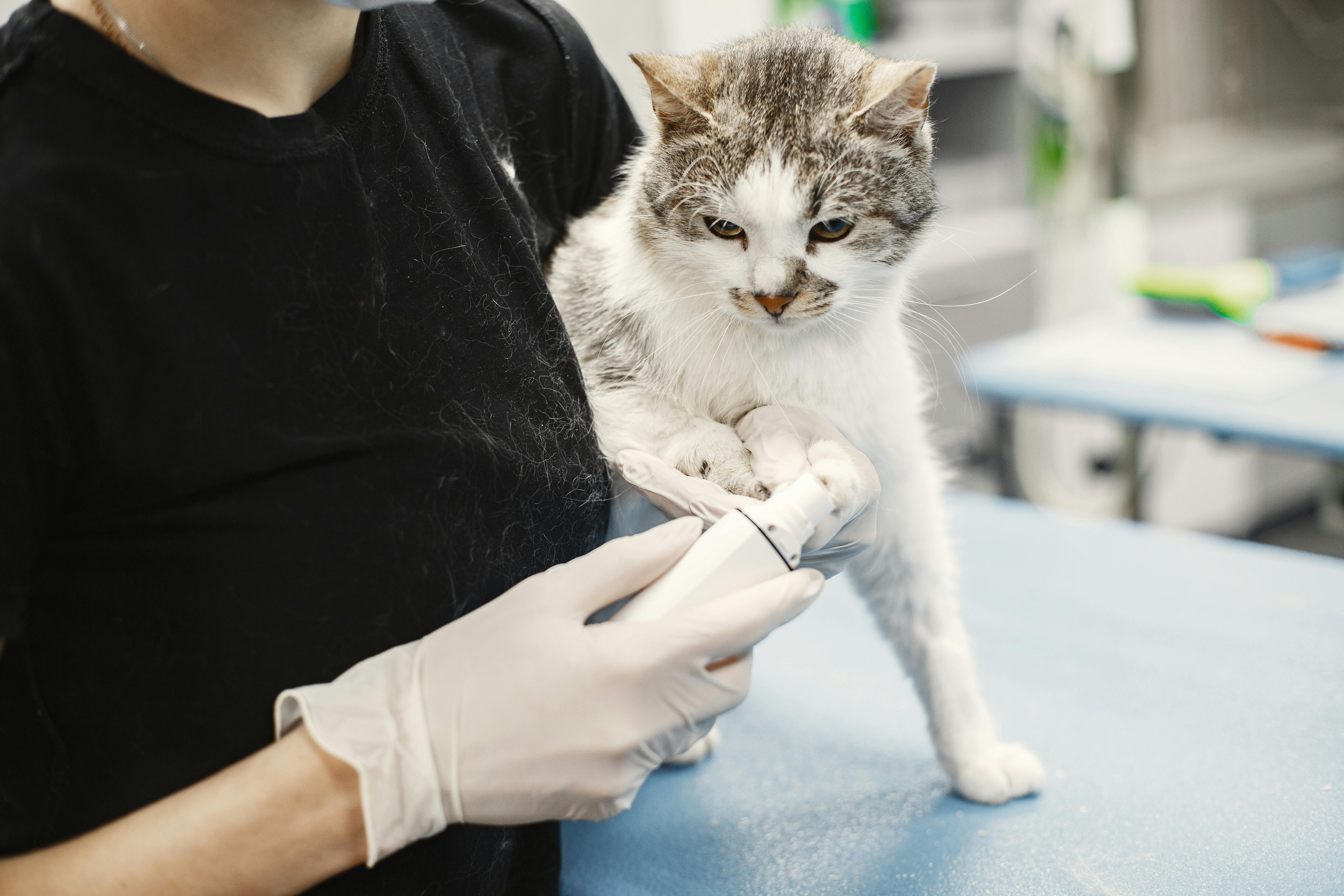
Cat being examined by a veterinarian on an exam table at an animal hospital

Last month, a friend took her 13-year-old mixed-breed cat "A-Fei" for a health check. The bill for a blood test plus a kidney ultrasound alone exceeded NT$20,000. She dug out the policy she'd bought three years ago and discovered — the coverage wasn't even right; outpatient visits and chronic conditions were both excluded. Cat insurance isn't impossible to find, but buying the wrong policy is worse than not having one at all.

Why Buy Insurance for Your Furry Friend?

Pets don't have national health insurance. Blood tests, anesthesia, hospitalization — any single one of these starts in the four-digit range. When it comes to surgery, chemotherapy, or long-term chronic disease management, a single bill can easily run into tens of thousands.

Owner waiting outside the exam room, holding a carrier with a cat inside

Cats are especially good at "hiding illness." By the time owners notice something's wrong and rush them to the animal hospital, it's often already the mid-to-late stage of a chronic condition. Kidney disease, diabetes, cystitis, feline idiopathic cystitis, hypertrophic cardiomyopathy — these are all common chronic issues in cats, with long treatment cycles and high per-visit costs.

Unlike human healthcare, veterinary medicine has no global budget cap. There are many out-of-pocket expenses, and pricing varies between animal hospitals. The same surgery can differ by several thousand dollars depending on the city. Without insurance, all of this falls on the owner.

Why Is Cat Insurance Harder to Buy Than Dog Insurance?

Most pet insurance products currently available in Taiwan are designed with dogs in mind, and that has to do with market size.

Product Variety and Positioning

There are several times more insurance products for dogs than for cats, and some early policies didn't even accept cats at all. While more insurance companies have added cats to their offerings by 2026, "cat-exclusive plans" are still rare. Most are "comprehensive pet insurance" shared with dogs, where cat-specific rates and coverage are often designed as a secondary option.

Breed and Size Differences Are Overlooked

Dog insurance distinguishes between large, medium, and small breeds, and even applies surcharges or exclusions for brachycephalic and giant breeds. Cats have smaller size variations, and breed-specific risks are often treated the same. But in reality, polycystic kidney disease in Persians, diabetes in Burmese, and hereditary bone conditions in Scottish Folds all carry notable risk — and these breeds tend to generate more claims disputes.

Lower Willingness to Insure Among Owners

Dogs need to go out, be boarded, and ride in cars, so owners feel a stronger sense of accident risk. Cats are seen as "indoor animals," and owners are less inclined to insure them. Because cat insurance uptake is low, insurers have less motivation to develop cat-specific products — creating a vicious cycle.

Key Selection Points and Common Pitfalls

Coverage Scope and Exclusions

Before purchasing, always read the "exclusions" clause. Commonly excluded items include:

  • Congenital and hereditary diseases: Many policies exclude PKD in Persians and diabetes in Burmese
  • Spaying, neutering, contraception, and pregnancy-related costs
  • Grooming and non-medical dental cleaning
  • Pre-existing conditions: Illnesses that occurred or were diagnosed before the policy was purchased
  • Injuries caused by behavioral issues: Medical visits resulting from inappropriate urination or aggressive behavior

Waiting Periods

Most policies have waiting periods. Disease waiting periods commonly run 15 to 30 days, while accident coverage usually has no waiting period or a shorter one. If you take your pet to the vet right after purchasing insurance, it won't be covered.

Special note: waiting periods for chronic conditions may be even longer. For example, cancer and certain endocrine diseases may have waiting periods extended to 60 to 90 days on some policies. Check carefully before purchasing — don't assume you're covered just because you bought a policy.

Annual Limits and Deductibles

Owner flipping through an insurance policy folder, with contracts and a calculator on the desk

  • Annual claim limit: The maximum amount that can be claimed in each policy year. This commonly ranges from tens of thousands to NT$300,000.
  • Per-claim deductible: The amount the owner must pay out of pocket for each claim; only the amount above the deductible is covered by the insurance. Common designs are NT$0, NT$1,000, and NT$2,500.
  • Reimbursement ratio: 80%, 90%, and 100% are all available, affecting how much you actually get back.

Lower deductibles mean higher premiums; higher deductibles mean lower premiums, but small claims become essentially unusable. When choosing, evaluate based on your cat's age, health status, and personal finances — the lowest premium isn't always the best value.

Comparison of 4 Insurance Plans

The team has compiled a comparison of four property insurance companies in Taiwan that sell cat pet insurance, focusing on plan structure. For actual rates, coverage amounts, and maximum renewal age, please refer to each company's official website quote tool. The table below summarizes plan design direction only.

Plan Coverage Highlights Pricing Method Claim Submission Customer Service
Cathay Century Insurance Accident + Illness + Surgery, shared plan with separate cat/dog rates Based on cat's age/breed Paper / Online upload Phone / Official website
Fubon Insurance Accident + Illness, cancer and critical illness available as add-ons Based on cat's age Paper / LINE upload Phone / LINE Official Account
Mitsui Sumitomo Insurance Separate cat and dog plans, with a "cat-exclusive" policy Based on cat's age Paper / Online Phone / Official website
Shin Kong Insurance Accident + Illness, outpatient and hospitalization claims calculated separately Based on cat's age Paper / Online Phone / Official website

Reminder: Pet insurance products may be adjusted every year. For actual entry age, waiting periods, and exclusion clauses, please refer to the latest announcements from each insurance company.

Team Reminders

What Should Brachycephalic Dogs (and Cats) Watch Out For?

This question mainly comes from dog owners, but similar situations apply to cats. Brachycephalic dogs (French Bulldogs, English Bulldogs, Pugs, Pekingese) and brachycephalic cats (Persians, Himalayans, Scottish Folds) have congenital respiratory and skeletal issues, so many insurance companies will:

  • Charge higher premiums
  • Exclude respiratory and orthopedic conditions
  • Restrict entry age (younger brachycephalic breeds are more likely to be declined)

Before purchasing, the breed must be honestly disclosed in the "Declaration Section." If a breed mismatch is discovered during a claim, the insurance company has the right to deny the claim and may consider it concealment, making future claims even more difficult.

What Documents Are Needed for a Claim?

When filing a claim, you typically need to prepare:

  • Veterinarian's diagnosis certificate: Stating the disease name, treatment method, and date
  • Original medical expense receipts: Most policies only accept originals
  • Claim form: The insurance company's standard form
  • Cat's microchip or photo records: To prove it's the same cat that was insured
  • Bank account copy: For reimbursement transfer

It's recommended to proactively tell the veterinarian "I have insurance and need a diagnosis certificate" during the visit, and ask them to clearly record the disease name in the medical records to avoid disputes later. Also remember to get the original receipt — copies are not accepted for claims.

Are There Age Limits?

Yes, and they vary by company. Most policies have a maximum cat entry age of 8 to 11 years, and a maximum renewal age of 12 to 15 years. Once the limit is exceeded, you cannot purchase a new policy, and existing policies may not be renewable due to age or health conditions.

Premiums are cheaper when cats are young, and health declarations are easier to pass — that's the golden period for insuring. After age 7, cats enter middle to old age, chronic disease risk increases, and insurance companies may add surcharges, add exclusions, or decline coverage.

Final Thoughts

Cat insurance isn't "impossible to find" — it's that "the options worth buying are limited." Rather than waiting until your cat is old and dealing with chronic illness to regret it, it's better to build coverage while they're young and healthy.

When selecting insurance, the team recommends this order: first review the exclusions, then check the waiting periods, and finally look at the premium. No matter how high the coverage amount, if it's riddled with exclusions, you still won't get any money when you file a claim.

Pet insurance product details and rates may be adjusted by each company every year. Before purchasing, please be sure to check the latest plans on the insurance company's official website, or call customer service directly to confirm details. The comparison provided in this article is for directional reference only and does not constitute insurance advice.

🐾 🐾 🐾

🐾 Pet Products (AD)

【首護】福壽生技 x 台鹽生技 寵關鍵 2g×30 入

NT$1,080(原價 1,280)| 超取滿 799 免運

NT$1,080
查看折扣價
📖 Related